
Roll End Tuck Top Boxes
One piece; the lid tucks shut at the top. The base for every application mailer.
From $1.46/unit
4 answers →Why mailers arrive crushed or open in transit, which of the four roll end structures suits your order, how to size against dimensional weight and what to put inside. Each answer gives the cause first, then the mailer that solves it.
Which Mailer Box Do You Need?Browse mailer boxes packaging →
Each answer below is linked to the product it applies to. Pick a product to see its answers, open its page for sizes and pricing, or compare the full mailer boxes packaging range.
One piece; the lid tucks shut at the top. The base for every application mailer.
From $1.46/unit
4 answers →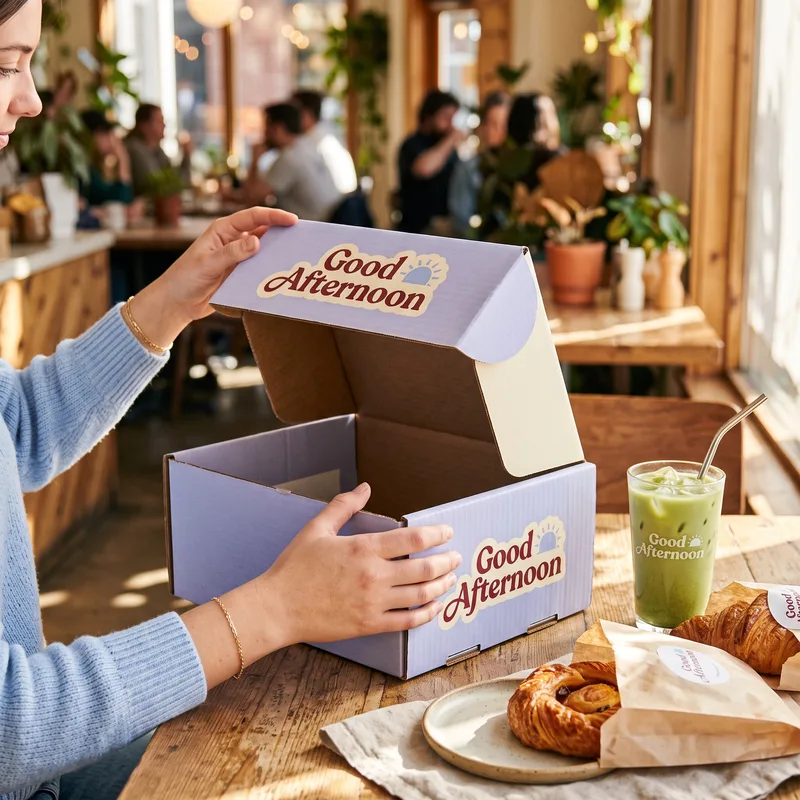
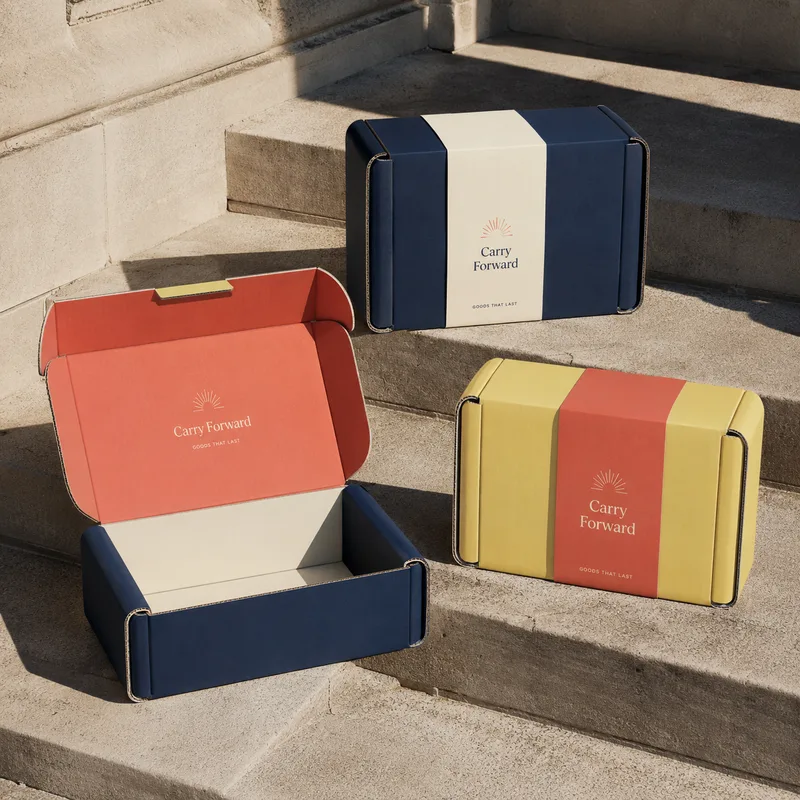

Mailers sized to the product mix and its cycle-to-cycle variation.
From $1.45/unit
4 answers →

Compartments keep glass apart and clear of pumps and caps.
From $1.43/unit
1 answers →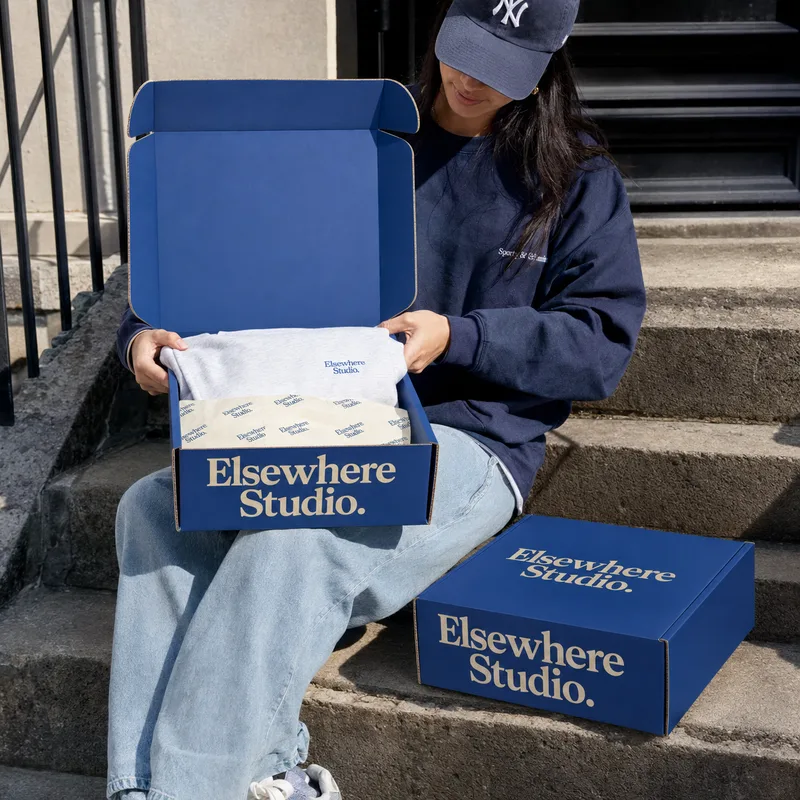
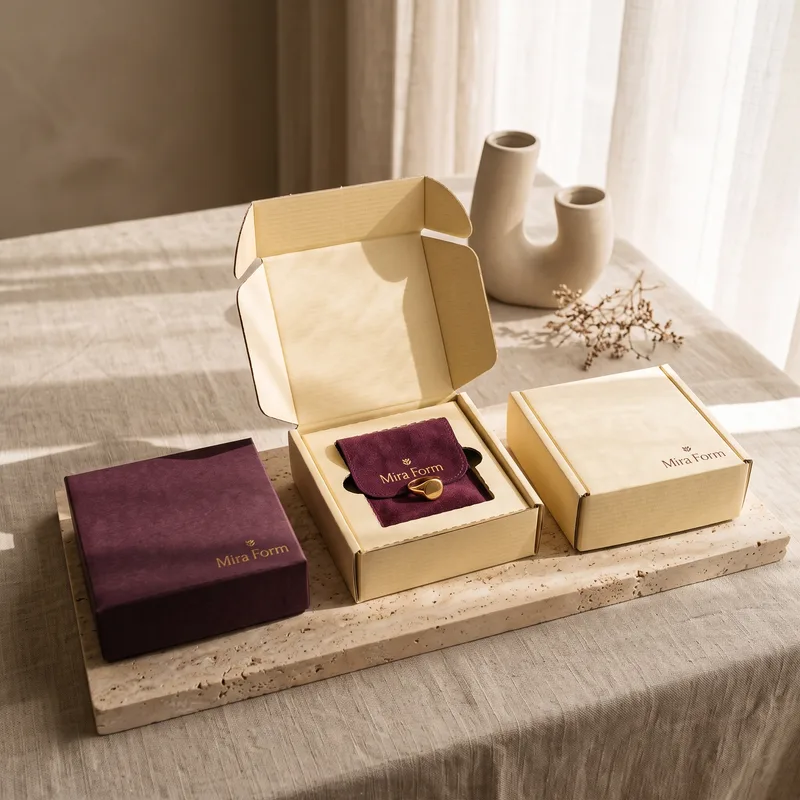
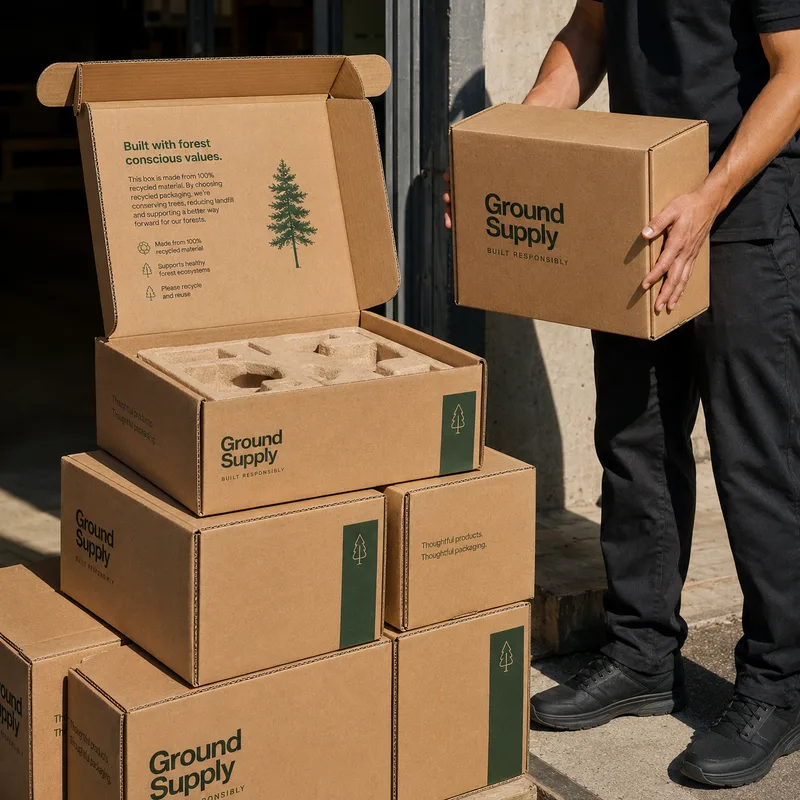
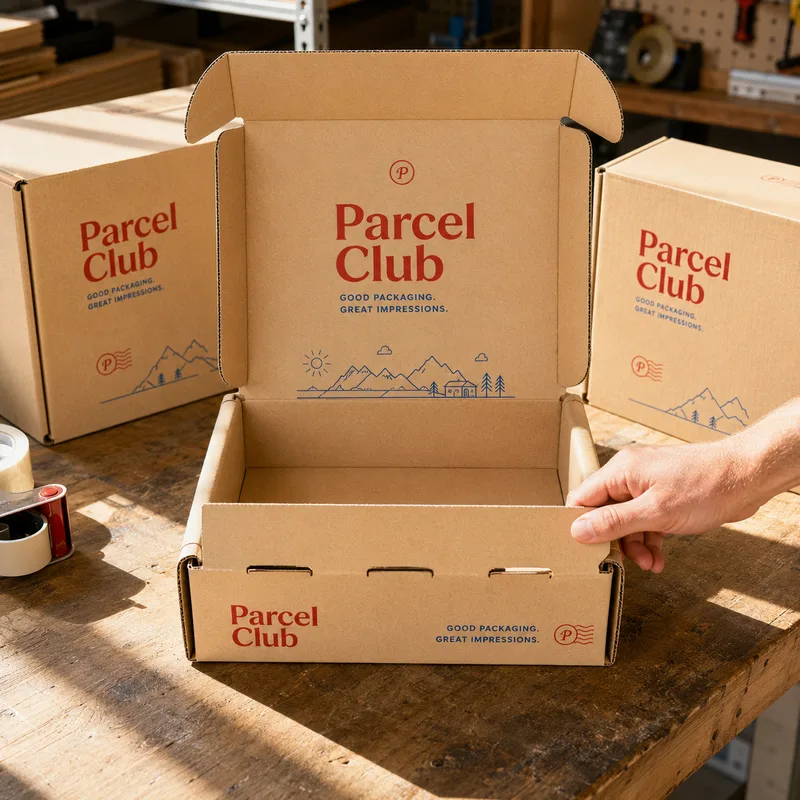
A mailer box is a one-piece folding box with rolled, double-layer walls and a locking lid, built to go through the parcel network and open as a branded unboxing. It ships flat, folds up at packing, and is made in paperboard or E- or B-flute corrugated.
Roll end
The side walls roll over into double layers, so the box holds its shape without glue.
RETT
Roll end tuck top, the most common mailer: the lid tucks shut at the top.
Corrugated
Board with a fluted inner layer between liners, for cushioning and strength.
Paperboard
A single solid board (about 18–24 pt), for light products or boxes shipped inside an outer carton.
Most mailer failures come from the board not matching the packed weight and route, a closure that isn't enough for the carrier, or a box sized to the product instead of the packed contents. Open a problem to see why it happens and what fixes it.
Why it happensParcels are stacked, dropped and squeezed on conveyors. Light board, or a paperboard mailer sent as the parcel itself, can't keep its shape under that load, so corners and lids cave in.
How to fix itChoose E- or B-flute corrugated for the packed weight and route; paperboard mailers ship inside an outer shipper.
Why it happensA tuck lid is held only by friction at the tuck. A heavy product or a bulging pack pushes it up, and carrier handling finishes the job.
How to fix itAdd tape, an adhesive strip or a tongue lock, or use the 3 Flap Lock closure, where three flaps interlock.
Why it happensCarriers bill the greater of actual and dimensional weight. UPS and FedEx retail rates use L × W × H in inches ÷ 139 (your contract or carrier may use a different divisor), so a box with empty space is billed as if it were heavier.
How to fix itSize the box closer to the packed contents, trim excess depth first and compare a short range of sizes.
Sizing ↓ →
Why it happensNothing holds the items apart, so every bump moves them into each other or into the walls. Glass and edges break where they meet.
How to fix itAdd an insert, divider or cushioning sized to the final products so each item has its own place.
Why it happensThe inside was sized to the product alone, then the insert, tissue and cards were added on top, so the pack pushes the lid up away from its closed position.
How to fix itSize the inside around the insert and the full stack height of everything that goes in.
Why it happensHeavier board or flute needs scores set for its thickness. If the scores or the folded bulk at the rolled walls don't match, the walls spring back or crowd the insert.
How to fix itReview scores, folded bulk and insert clearance in the selected board on a pre-production sample.
Why it happensColor depends on the surface it is printed on. A brown kraft liner, a white liner and different print processes each change how the same artwork reproduces.
How to fix itReview artwork on the actual liner and print process, and specify Pantone spot colors for brand colors.
Choose by closing action and reveal. Tuck Top suits everyday ecommerce and is the base for every application mailer. Tuck Front locks at the front edge. Box with Lid gives a shoebox-style full-lid reveal. 3 Flap Lock gives a deliberate, staged opening where three flaps interlock.
| Tuck Top | Tuck Front | Box with Lid | 3 Flap Lock | |
|---|---|---|---|---|
| Pieces | One | One | Two | One |
| Closing | One tuck at the top | One tuck at the front | Lid placed over base | Three flaps in sequence |
| Opening | Lid swings back | Lid swings back | Whole top lifts off | Flaps unfold in sequence |
| Shipping seal | Optional | Optional | Tape, label or band as specified | Optional |
| Best fit | Everyday ecommerce | Front-locking presentation | Shoebox-style reveal | Locked, staged opening |
Note: A 3 Flap Lock is a mechanical lock only; it isn't tamper-proof or theft-resistant.
The application mailers are Tuck Top mailers built around one kind of order: candle vessels, cosmetic routines, folded garments, jewelry boxes, perfume bottles, healthcare products or recurring subscriptions. Each is sized and fitted for its contents, from $1.39 per unit.
| Order | Mailer | What it is built around |
|---|---|---|
| Candles, jars and tins | Candle Shipping Boxes | Vessel, retail pack and cushioning |
| Beauty and skincare orders | Cosmetic Shipping Boxes | Products, insert, pumps and caps |
| Clothing and soft goods | Custom Clothing Boxes | Garment fold, tissue and cards |
| Jewelry in its gift box | Jewelry Shipping Boxes | Inner box, pouch and cards |
| Perfume bottles and sets | Perfume Shipping Boxes | Bottle or retail carton, cushioning |
| Pharma and supplements | Pharmaceutical Shipping Boxes | Packaged products, labels and codes |
| Monthly or seasonal boxes | Custom Subscription Boxes | Product mix and cycle variation |
| Heavier or parcel-shipped orders | Corrugated Mailers | Board grade, flute and liner |
| Certified fiber sourcing | FSC Corrugated Mailer Boxes | FSC claim confirmed per order |
Note: For a presentation box inside the mailer, see Rigid Boxes. Industry guidance: Candle · Cosmetics · Apparel · Jewelry · Fragrance · Pharma.
Board follows packed weight and route. Paperboard (about 18–24 pt) suits light products or mailers packed inside an outer shipper. E-flute corrugated (about 1.1–1.6 mm) suits most printed ecommerce mailers. B-flute (about 2.5–3.2 mm) suits heavier or more fragile packed weights, with stiffer flaps to fold.
| Board | Typical thickness | Typically suited to |
|---|---|---|
| Paperboard, about 18–24 pt | About 0.45–0.6 mm | Light products, presentation mailers, or inside an outer shipper |
| F-flute corrugated | About 0.8 mm | Light items needing a fine print surface |
| E-flute corrugated | About 1.1–1.6 mm | Most printed ecommerce mailers |
| B-flute corrugated | About 2.5–3.2 mm | Heavier or more fragile packed weights |
White SBS paperboard
Smooth white surface for crisp printing.
Kraft paperboard
Natural brown, uncoated look.
Recycled paperboard
Recycled fiber with a naturally varied surface.
Corrugated board
Fluted inner layer for cushioning and strength.
Metallic, holographic, pearlescent or textured cardstock
Built-in shine, color shift, sheen or texture.
Note: No fixed crush or drop rating is published; performance is assessed for the complete packed configuration and route.
Measure the packed contents, then add about 3–6 mm (1/8–1/4 in) to length and width and 2–5 mm to depth for the inside. With an insert, size around the insert. UPS and FedEx bill the greater of actual or dimensional weight (L × W × H in inches ÷ 139), so a tighter box often ships cheaper.
| Step | Typical allowance |
|---|---|
| Product to inside, no insert | +3–6 mm (1/8–1/4 in) length and width, +2–5 mm depth |
| With an insert | Inside follows the insert's outer size |
| Inside to outside, rolled walls | Length and width grow by about four board thicknesses |
| Inside to outside, lid and base | Depth grows by about two board thicknesses |
Note: USPS uses the same 139 divisor for parcels over 1 cubic foot.
Inserts hold products apart and in place, so nothing shifts or touches in transit. Corrugated inserts add cushioning and separation, paperboard gives platforms and dividers, foam cushions fragile items, molded pulp gives a paper-fiber support, and thermoformed trays give precise cavities.
Corrugated
Fluted cushioning, separation and support.
Paperboard
Die-cut platforms, dividers and supports.
Foam (EVA, PU or EPE)
Precision-cut cavities.
Molded pulp
Formed paper fiber supports.
Thermoformed PET or PVC
Heat-formed trays.
Add a tear strip for tool-free opening, an adhesive strip for sealing, a tongue lock for a firmer closure, a pocket or card slot for inserts, and a ribbon lift for removal. Windows and handles are offered where the build supports them.
Tear strip
A perforated pull strip that opens the box cleanly.
Adhesive strip
Seals the lid without tape.
Tongue lock
A shaped tab that slots in to hold the closure.
Pocket or card slot
Holds cards, instructions or certificates.
Ribbon lift
Lifts the product out of its insert.
Ribbon closure
A tied gift detail.
Windows
Die-cut with clear film, or open.
Handle
Plastic.
By offset, digital, UV, screen or flexographic printing, in CMYK and Pantone spot colors. Print the exterior only, the exterior plus inside lid, or full inside and outside where the board and print method support it, then add a coating, lamination or finish.
Flexographic
Efficient on corrugated board.
Offset
Consistent high-resolution results on larger runs.
Digital
Shorter runs and variable artwork.
Coatings
Aqueous coating (light scuff protection), or gloss, matte or soft-touch lamination.
Finishes
Foil stamping, embossing, debossing, Spot UV and raised 3D UV, according to the board.
Inside print
Tissue, cards and a printed inside lid build the reveal.
Dieline
A custom dieline of the flat blank, with free design support.
Send the packed contents and weight, units per box, structure, board, print coverage and add-ons. Quotes typically come back within 24 hours; orders dispatch 7 days after proof approval, plus shipping time, with rush available, and orders start at 500 units. Boxes ship flat. Every structure and application mailer is on the mailer boxes page.
Most mailer boxes are recyclable, depending on the board and finishes used. Recycled and kraft paperboard are material options, molded pulp gives a paper-fiber insert, and FSC Corrugated Mailer Boxes give certified fiber sourcing, with the claim and chain-of-custody details confirmed per order.
FSC label on the box?
Only with the approved license and claim.
Finishes and recycling
Laminations, foil and plastic trays change how the box is handled; check local rules.
Have these seven answers ready and your quote starts from the right specification.
Each structure below has a free template generator: enter your size and download a PDF, SVG, DXF or PNG file with bleed and safe zone marked. Before you order, open it in the 3D mockup generator to see your artwork on the folded pack.
All structures in one place: dieline generator.
Packaging Dock makes custom mailer boxes to order (four roll-end structures and application mailers for candles, beauty, apparel, jewelry, fragrance, pharma and subscriptions) from 500 units, and ships them flat across the USA and worldwide. These are the questions ecommerce, subscription and DTC brands ask most. All boxes are on the mailer boxes page.
No answers for this product in this topic.
Shipping products directly to customers in a branded box. A corrugated mailer can go through the parcel network on its own when its board suits the packed weight and route, opens as an unboxing and closes again, so ecommerce, subscription, PR and gift brands use it as both the shipper and the presentation box. See Roll End Tuck Top Boxes.
The rolled walls hold the shape and the lid tucks in or interlocks. Whether tape or a seal is still needed depends on the product, packed weight, carrier and specification.
"Cardboard" usually means solid paperboard: one dense sheet, smooth and good for print. Corrugated has a wavy fluted layer between two liners, which adds cushioning and stacking strength. Paperboard mailers suit light products or ship inside an outer shipper; corrugated mailers can ship on their own when the board suits the packed weight and route.
Flat, as one-piece die-cut blanks (two pieces for a Roll End Box with Lid). At packing, the side walls roll over into double-layer walls, the product goes in, and the lid folds down and tucks or locks shut.
A fluted paper layer is glued between flat liners to make the board, which is printed, die-cut into a flat blank and scored so it folds into the box.
Dust flaps are the small side flaps that close the gaps at the lid corners; a locking tab (tongue lock) slots in to hold the closure firmly.
A one-piece Tuck Top swings open and suits everyday orders. A two-piece Box with Lid lifts fully off for a shoebox-style reveal, and may need sealing to ship.
A mailer is a one-piece locking structure built for shipping; a tuck box is a folding retail carton closed by tuck flaps, usually shipped inside another box.
A mailer folds flat and can go through the parcel network; a rigid box arrives set up and usually ships inside an outer shipper. A Box with Lid starts from $1.45 against $1.84 for a rigid Two Piece.
A poly mailer is a film bag that conforms to soft goods and gives no crush protection. A mailer box has defined board walls for boxed, rigid or fragile items and an inside-lid reveal.
A mailer is a printed, presentation-led roll-end box; a plain shipping carton is a transit outer. Corrugated mailers can do both.
E-flute is about 1.1–1.6 mm thick and suits most printed ecommerce mailers; B-flute is about 2.5–3.2 mm and suits heavier or more fragile loads. The choice follows the packed weight and the route.
There is no fixed figure. Board, flute, size, insert and route decide it, so performance is assessed for the complete packed configuration.
Usually not to start. B-flute is the first step up for heavier or fragile contents; the board grade is set around the complete packed load, confirmed on a sample with the real products.
White SBS gives a smooth white surface for crisp print; kraft paperboard gives a natural brown look. For kraft-look corrugated, specify the liner separately.
No. Aqueous coating and laminations resist scuffing, not water. Insulation or cold-chain parts need a separate project-specific system.
Yes, printed with a full-coverage color in CMYK or Pantone, on white or kraft board. Specialty metallic, holographic, pearlescent or textured cardstock is available too.
No fixed crush or drop rating is published. E- or B-flute corrugated suits most parcel routes, and performance is assessed for the complete packed configuration. ECT and burst are board ratings, not finished-box strength.
It depends on size and board: a small E-flute mailer weighs far less than a large B-flute one. The packed weight, which carriers actually bill, is confirmed with your sample.
Flutes running vertically help the walls resist stacking load; orientation is set on the dieline for the box and load.
The inside size of the packed contents plus about 3–6 mm in length and width and 2–5 mm in depth, or the insert's outer size if there is one.
Compare a short size range instead of one box for everything. Small orders in one large box pay for empty space through dimensional weight and need extra filler; two or three sizes usually cover most order mixes.
Measure the folded garment's width and length, then the stack height with tissue, cards and accessories. Size the inside to that packed stack, not the garment alone. See Custom Clothing Boxes.
Give inside dimensions for the fit: the space the packed contents need. Give the closed outside dimensions when you compare shipping quotes, because carriers bill on the outside.
Cut empty space, depth first. Dimensional weight at UPS and FedEx retail rates is L × W × H ÷ 139, so a lower box can drop a billing tier. Then check the board: the lightest board that survives the route keeps actual weight down.
Every mailer is made to your inside dimensions, from small jewelry mailers to large kits, rather than from a fixed size chart.
Carriers bill the greater of actual or dimensional weight, so a mailer sized to the typical mix ships cheaper. Rates come from your carrier.
You can, but it adds a layer and cost. A corrugated mailer usually ships on its own once its specification is confirmed for the route.
Yes: partitions, dividers or compartments sized to the final products, so each item has its own space and nothing touches in transit. The inside is then sized around the divider layout.
A tuck closes the box; a tear strip makes the first opening tool-free and clean. Choose a tear strip with an adhesive strip when the box is sealed for shipping.
Yes. A card can sit in a pocket or card slot built into the insert, or the message can be printed on the inside lid, so it's the first thing seen on opening.
Yes, as a die-cut window with clear film or an open window. Windows are less common on mailers because the box travels through the parcel network, so they're placed where the panel stays strong.
Yes: exterior plus inside lid, or full inside and outside where the board and print method support it.
Outside print brands the parcel in transit; inside print brands the reveal. Inside-lid print alone is a common way to add a reveal at lower cost.
Yes, according to the board: foil stamping, emboss, deboss, Spot UV and raised 3D UV. These are applied to the printed liner, so the choice of liner and flute decides what works.
Yes. Keep a clear, flat panel free of artwork for the shipping label, marked on the dieline so it doesn't cover the design. See Custom Shipping Labels.
Stickers suit early volumes and changing designs; printed mailers suit a fixed design at 500+ units. See Labels & Stickers.
Yes. Each order gets a custom dieline of the flat blank, showing panels, rolled walls and lid, with free design support. You can also generate one at your size: Roll End Tuck Top dieline.
One color on kraft gives a simple, low-ink look; full color in CMYK or Pantone covers artwork and photos. Both are confirmed on a proof.
Use any design tool (Illustrator, Canva or similar) on the custom dieline of the flat blank; plan outside panels, the inside lid and a label area. Free design support and a proof come with every order.
Heavy ink or lamination over a fold can crack; keep fine detail off folds. Kraft’s brown liner darkens colors, so confirm them on a printed proof or use white board.
Yes. Unprinted or one-color mailers keep cost down, and a printed sticker or label can brand them while volumes are small.
A mailer sized to the typical product mix and its cycle-to-cycle variation, with inserts, tissue and cards.
Evergreen keeps one design every cycle and carries the theme in cards, stickers and inserts; cycle-specific boxes print a new design each release and need one version per cycle.
Check the smallest and largest releases: if the smallest leaves items loose or the largest crowds the lid, revise the insert or size before repeating the format.
From $1.39 per unit for application mailers and $1.45 for the roll end structures (Tuck Top from $1.46) at 500 units. Price depends on size, board, print coverage, inserts, finishes and quantity.
Yes. A prototype is made in your selected materials for approval before production, and a complimentary sample kit shows materials and finishes.
Yes. Packaging Dock makes custom mailer boxes to order on a custom dieline, from 500 units, and ships them flat across the USA and worldwide.
Every order is made to your specification from 500 units and priced by quantity, shipped flat across the USA and worldwide.
Yes. Each size gets its own dieline, and the artwork is laid out again for each so the logo and panels sit correctly.
Candle Shipping Boxes are Tuck Top mailers with supports that keep vessels apart and the lid clear; trial-pack the filled vessels for your route.
Custom Clothing Boxes are mailers sized to the folded garment with tissue and cards. Shoe boxes are cartons that ship inside an outer mailer.
Yes. Pack the bakery box inside a mailer with cushioning; the mailer itself isn’t a food-contact box unless specified.
Yes. Subscription mailers are sized to the bag or tin mix, with inserts or dividers so bags stand upright. Keeping bag sizes the same each cycle lets one insert fit every month. See Custom Subscription Boxes.
Yes. PR and influencer boxes are often Tuck Top mailers printed inside and out, with an insert and card.
Yes. Holiday Shipping Boxes are Tuck Top mailers with seasonal artwork, sized to carry gift sets and peak-season orders. See Holiday Shipping Boxes.
Mailers are one part. Ecommerce mailers, poly mailers, order labels and pickup bags are compared on the ecommerce packaging page.
Cosmetic and jewelry shipping boxes and subscription mailers are built around those orders; food in a mailer stays in its own packaging unless a liner is specified.
Cosmetic Shipping Boxes →Jewelry Shipping Boxes →Custom Subscription Boxes →
Yes, sized to the item with an insert that holds it flat or still; flat items such as prints and records need a snug, rigid board.
A corporate gift box usually ships inside a printed mailer that protects it in transit. Gift boxes and campaign mailers are on the campaigns page.
A closed mailer or carton with no product shown outside, sized to the item; send the item size for a quote.
Only where the board and any liner are confirmed for the food, contact time and temperature. Mailers normally hold food in its own packaging.
Not as standard. A plastic handle is an add-on where the structure supports it; for a carry box with a built-in handle, see Gable Boxes.
A mailer with an adhesive strip or tongue lock can be reclosed for a return. Composting claims need evidence for the finished box; many programs accept boxes with tape for recycling, but check locally.
A mailer box has board walls and an insert; a bubble mailer is a padded envelope. Bubble mailers aren’t a Packaging Dock product.
Ready to put it together?
Answer a few questions and get a packaging setup with the reason for every choice, or browse every mailer boxes product.