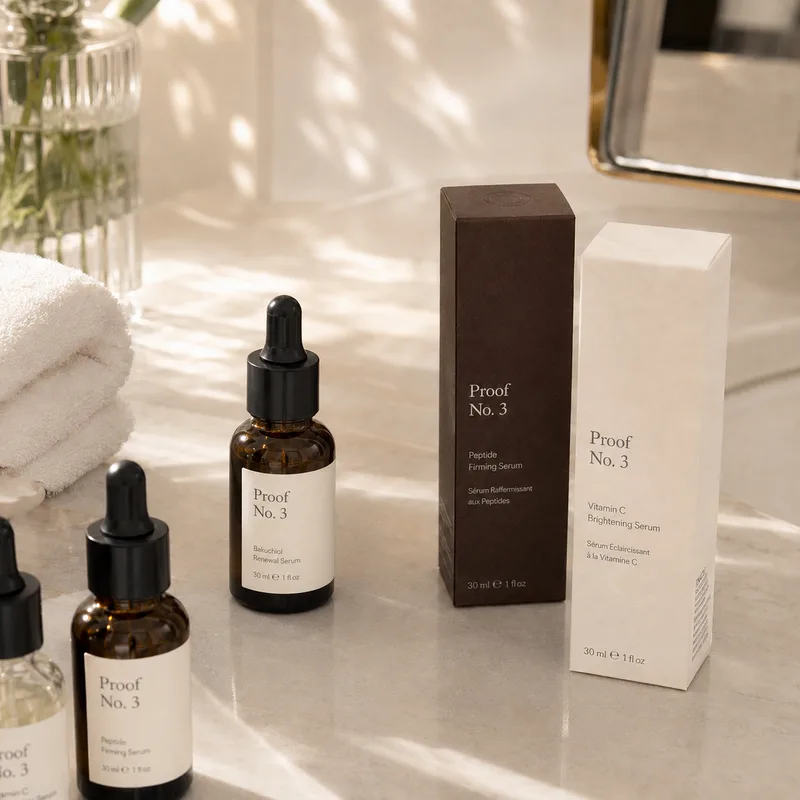
Custom Serum Boxes
Slim, tall cartons sized to a serum or dropper bottle with its cap, with a bottle or neck insert.
From $0.62/unit
7 answers →Packaging Guides/Cosmetics & Skincare
Packaging GuideWhy a bottle rattles, a pump presses the lid or required copy won't fit the front, which carton, insert, label or refill pouch suits each product, and how to size around caps and pumps. Each answer gives the cause first, then the pack that solves it.
Which Cosmetic Box or Pouch Do You Need?Browse cosmetics & skincare packaging →
Each answer below is linked to the product it applies to. Pick a product to see its answers, open its page for sizes and pricing, or compare the full cosmetics & skincare packaging range.
Slim, tall cartons sized to a serum or dropper bottle with its cap, with a bottle or neck insert.
From $0.62/unit
7 answers →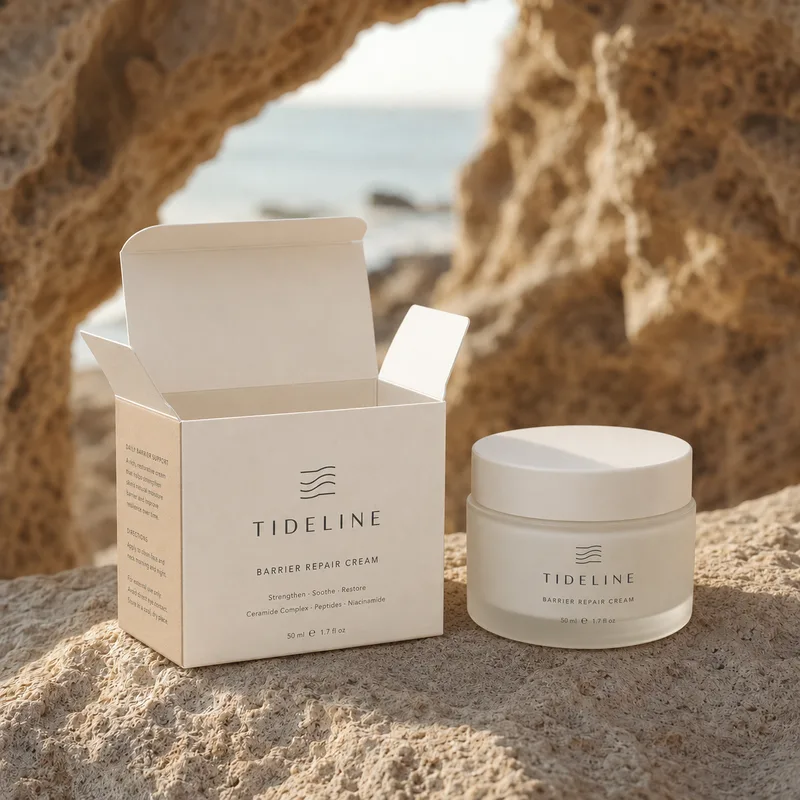
Near-square cartons sized to a jar with its lid, with a jar ring or cradle.
From $0.62/unit
4 answers →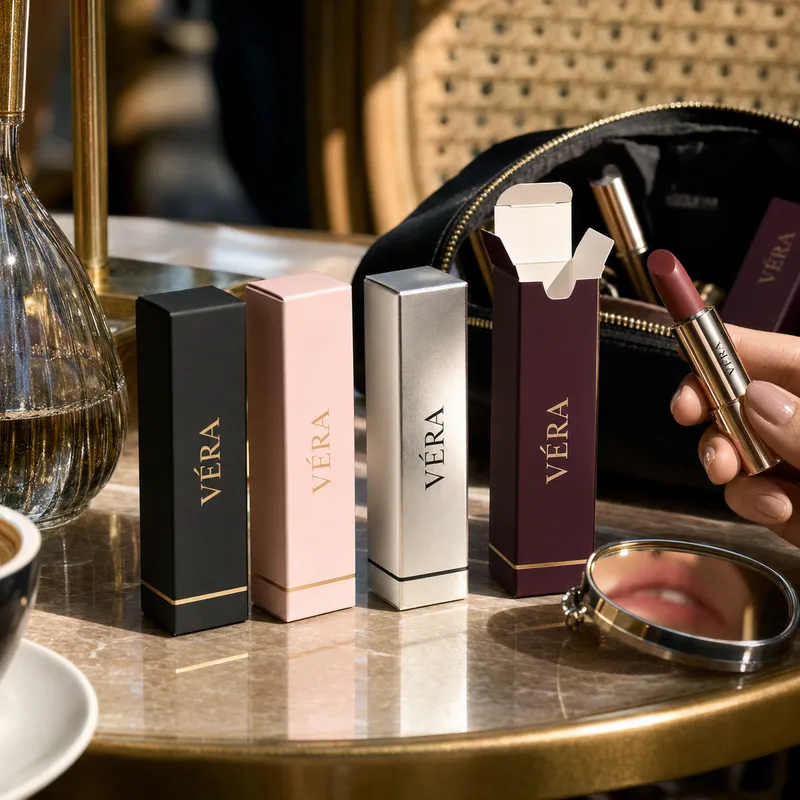
Slim tuck cartons sized to a lipstick, gloss or balm tube with its cap.
From $0.60/unit
2 answers →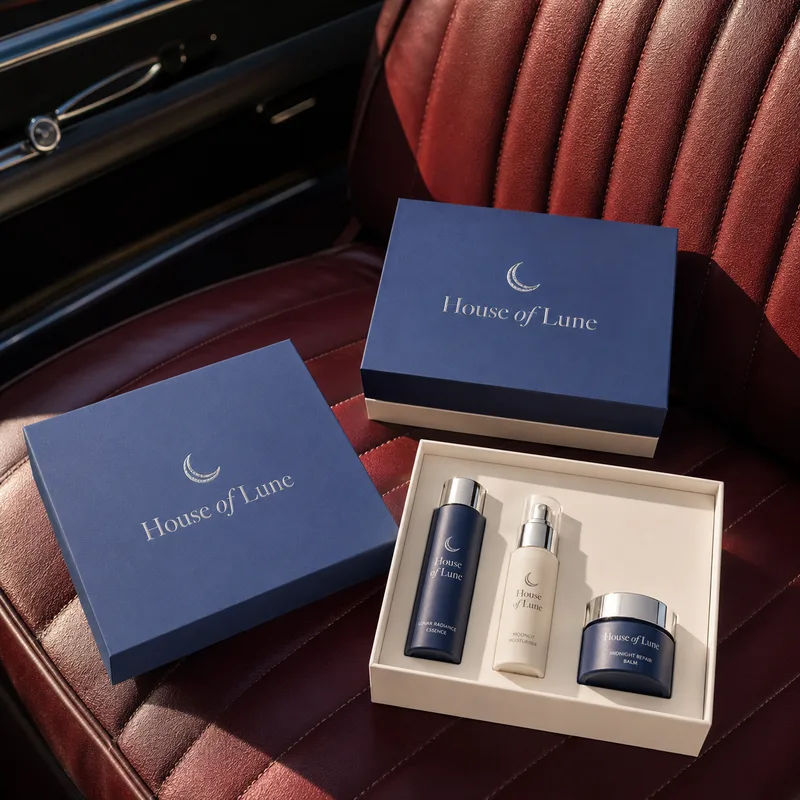
Two Piece or Shoulder Neck rigid boxes with fitted compartments for sets and routines.
From $1.25/unit
7 answers →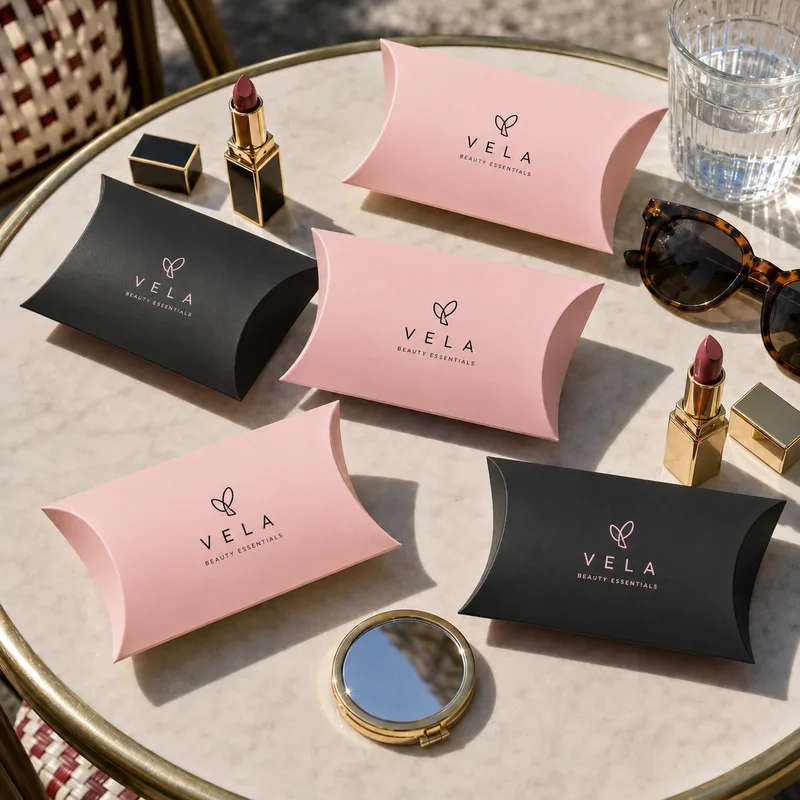
Curved folding boxes for samples, minis and accessories in their own containers.
From $0.70/unit
1 answers →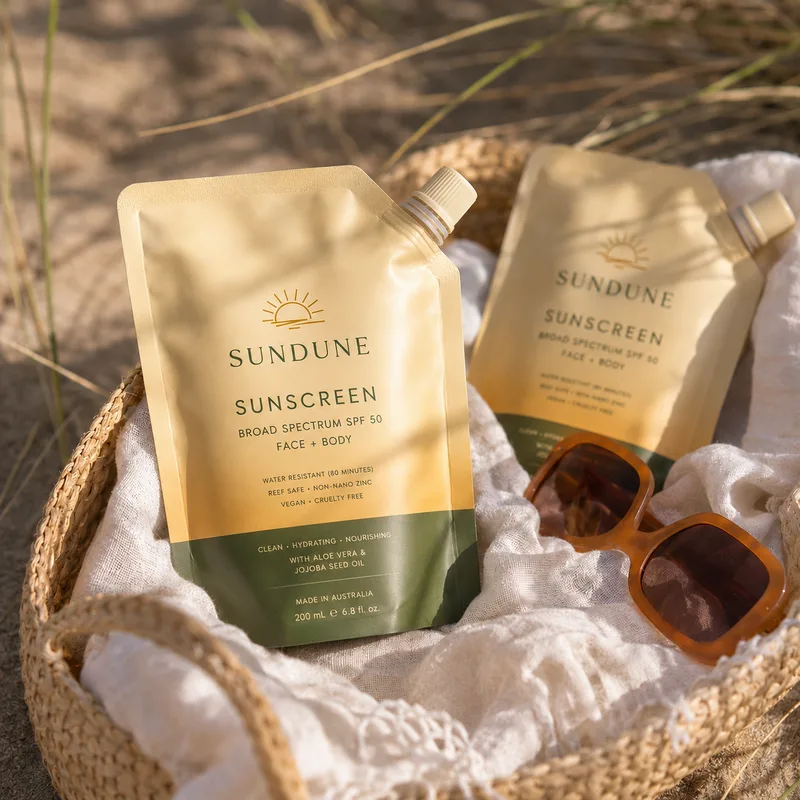
Stand Up, 3 Side Seal and Spout pouches with layers reviewed for your formula.
From $0.67/unit
9 answers →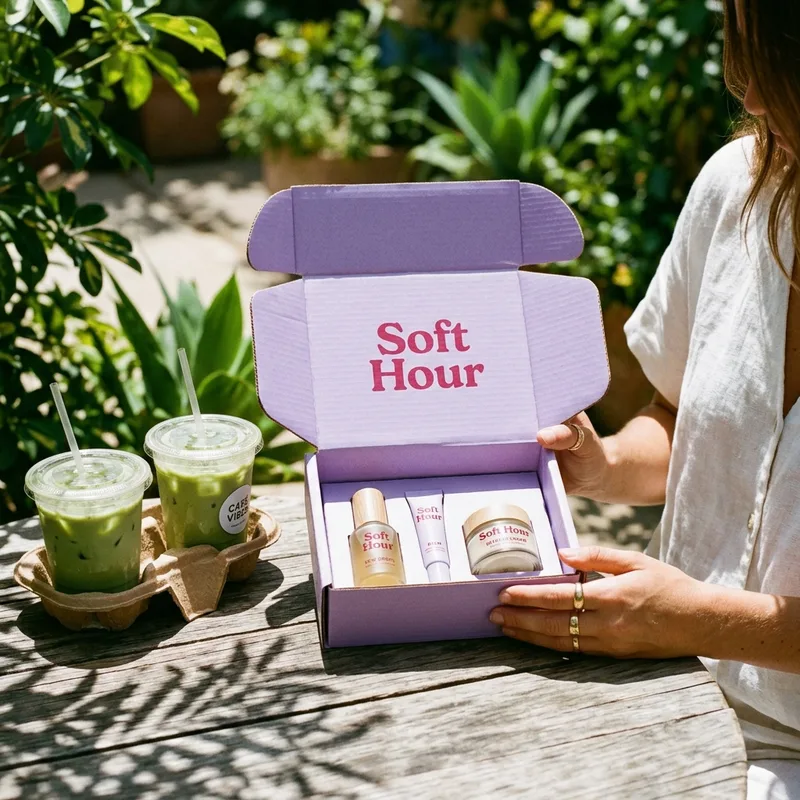
Roll End Tuck Top mailers with compartments that keep glass apart.
From $1.43/unit
8 answers →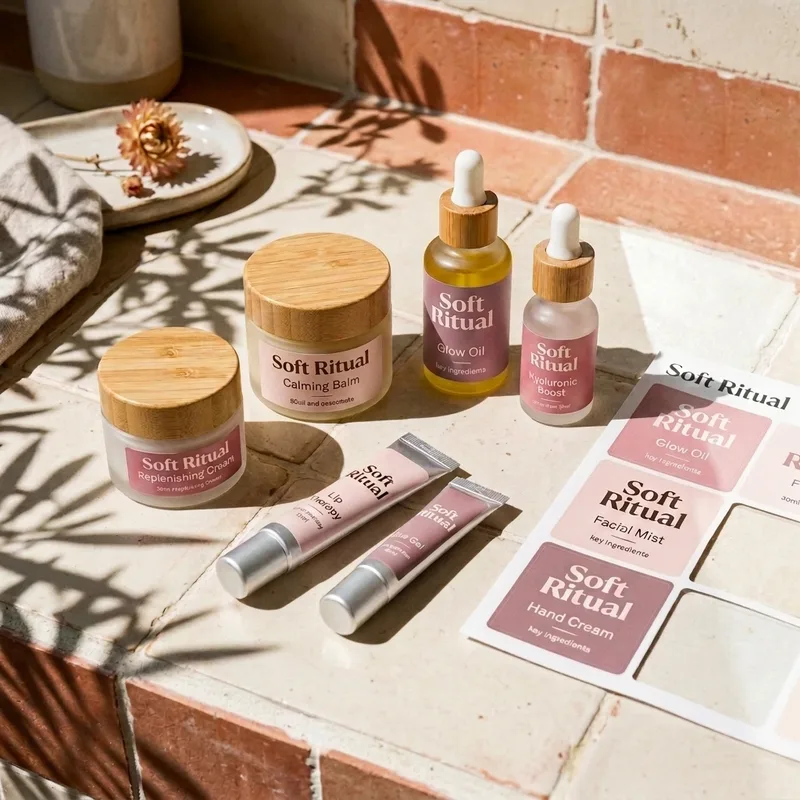
Front and information labels for bottles, jars and tubes.
From $1.25/unit
7 answers →Open a problem to see why it happens and how to fix it.
Why it happensWhen the inside is larger than the container, it has room to move every time the carton is handled.
How to fix itTighten the inside size, or add a jar ring, cradle or neck hold.
Why it happensHeight was measured on the container without its final cap or pump, so the closure is taller than the carton allows.
How to fix itMeasure overall height with the final cap or pump fitted.
Why it happensThe front display panel was asked to carry everything, so identity, net quantity and the ingredient list compete for the same space.
How to fix itPut identity and net quantity on the front, and the ingredients on an information panel.
Labels ↓ →
Why it happensA small shade area reads as part of the artwork at shelf distance.
How to fix itEnlarge the shade area and give it contrast against the background.
Why it happensWithout compartments, glass pieces knock together as the box is moved and sorted.
How to fix itAdd compartments or supports between items, checked on a trial pack.
Why it happensThe pump's loaded height or position sits in the path of the closing lid.
How to fix itReview the closure position and loaded height on a trial pack.
Why it happensPaper fibers draw in oil and water unless the face is protected.
How to fix itUse laminated film labels for showers, serums and lotions.
Why it happensSome formula ingredients, such as fragrance, alcohol, oils or actives, can attack the contact layer or the adhesive between layers.
How to fix itReview the layers against the formula and test filled samples for seal strength and delamination.
Fit the carton to the container: a tall, narrow serum box with a neck hold for droppers, a near-square jar box with a ring or cradle, a slim tuck carton for lipstick and gloss, a rigid box with compartments for sets, and a pillow box for samples and minis.
| Product | Packaging | Fits by |
|---|---|---|
| Serums and oils | Custom Serum Boxes | Bottle with dropper, neck hold |
| Creams, balms, masks | Custom Skincare Boxes | Jar diameter and height with lid, ring or cradle |
| Lipstick, gloss, balm | Custom Lipstick Boxes | Tube diameter and length with cap |
| Gift sets, routines, PR kits | Custom Cosmetic Rigid Boxes | Compartment layout |
| Samples, minis, accessories | Cosmetic Pillow Boxes | Container size with cap, count |
| Refills and sachets | Skincare Mylar Bags | Formula and fill volume |
| DTC and PR shipping | Cosmetic Shipping Boxes | Products, insert, pumps and caps |
| Bottles, jars, tubes | Cosmetic Labels | Label area and exposure |
From $0.60 per unit; shipping boxes from $1.43.
Comparisons
Serum box vs jar box
A serum box is tall and narrow with a bottle or neck hold; a jar box is near-square with a jar ring or cradle.
Rigid set box vs folding carton
Rigid holds sets and routines in compartments and lifts off; a carton holds a single product behind a tuck flap.
Shipping box vs rigid box
The mailer is the outer layer for DTC and PR; the rigid box is the gift presentation inside it.
Measure the container with its final cap, pump or dropper: diameter and height for tubes and bottles, widest diameter and height for jars, plus the material and filled weight. For sets, start from the largest item and lay the rest out around it.
| Set type | Start with |
|---|---|
| Jar and serum | Largest width and depth plus the tallest item |
| Three-step routine | An ordered row or grouped routine |
| Makeup set | Palette footprint plus tubes and compacts |
| Mixed gift set | Overall arrangement and spacing |
Structure detailTuck Boxes guide →Rigid Boxes guide →
Yes. Skincare Pouches come in Stand Up, 3 Side Seal and Spout formats. Contact layers, adhesives and seals are reviewed for the formula, so fragrance, alcohol, oils or actives are checked against the construction, and filled samples are tested for seal strength and delamination before the run.
US cosmetic labels put the product identity and net quantity on the principal display panel and the ingredients, in descending order of predominance, on an information panel, with the name and place of business and any required warnings. Under MoCRA, labels also carry a US contact for adverse-event reports.
Note: The brand supplies and approves applicable labeling. Labels: Cosmetic Labels.
Send each container's size with cap, pump or dropper, the set layout, shade count, label exposure and how boxes ship. Quotes typically come back within 24 hours; orders dispatch 7 days after proof approval, plus shipping time, with rush available, and orders start at 500 units.
Have these six answers ready and your quote starts from the right specification. To compare every product side by side, see the cosmetics packaging range.
Packaging Dock makes custom cosmetic and skincare packaging to order from 500 units and ships across the USA and worldwide. These are the questions beauty, skincare and makeup brands ask most. Everything is on the cosmetics packaging page.
No answers for this product in this topic.
Cosmetic packaging is everything around a beauty product: the primary container that holds the formula (bottle, jar, tube) and the secondary packaging around it (carton, rigid box, label, shipping box). Packaging Dock makes the secondary packaging, plus pouches and sachets that hold compatible formulas directly.
Primary or secondary packaging? Primary packaging touches the formula; secondary packaging presents, protects and labels the primary pack.
A printed carton sized to one cosmetic container with its cap, pump or dropper: a tall serum box with a neck hold, a near-square jar box with a ring or cradle, or a slim lipstick carton. Sets and routines go in a rigid box with compartments.
Custom Serum Boxes →Custom Skincare Boxes →Custom Lipstick Boxes →
Usually a carton per product (serum, jar or lipstick box), a label on each container, and a shipping box if you sell online. Gift sets and PR kits add a rigid box with compartments; samples go in a pillow box or a sachet.
Packaging Dock makes custom cosmetic cartons, rigid boxes, pillow boxes, pouches, labels and shipping boxes to order from 500 units, shipped across the USA and worldwide. Quotes typically come back within 24 hours.
Serum, jar and lipstick cartons, cosmetic rigid boxes, pillow boxes, skincare pouches and labels start from $0.60 per unit; cosmetic shipping boxes start from $1.43. Final price depends on size, board, print, finishes and quantity.
What does 500 boxes cost? From $300.00 for 500 cartons at the starting price.
500 units, with a standard turnaround of 7 days from proof approval to dispatch, plus shipping time and rush turnaround available on request.
No. Packaging Dock makes the packaging around your container: cartons, rigid boxes, labels and shipping boxes, plus pouches and sachets for compatible formulas.
Measure the container with its final cap, pump or dropper on: widest diameter and full height for bottles and tubes, widest diameter and height with lid for jars, plus the material and filled weight. A pump or dropper measured without its cap leaves the box too short.
Why does the cap press the top tuck? Height was measured without the final closure. Increase the height.
Yes. Custom Serum Boxes are slim, tall cartons in Straight Tuck End or Reverse Tuck, with a paperboard bottle or neck insert and an optional window with a clear PET patch.
Yes. Custom Lipstick Boxes are slim tuck cartons sized to a lipstick, lip gloss or lip balm tube with its cap, in Auto Lock, Reverse Tuck or Seal End. Shade names go on the front per version, or on a shade label over a shared carton.
Yes. Measure height with the pump or dropper on and hold the bottle with a paperboard bottle or neck insert. In shipping boxes, the pump position and loaded height are checked on a trial pack so the lid doesn’t catch it.
A paperboard neck hold for droppers, a jar ring or cradle for creams, and fitted compartments in rigid boxes. Rigid boxes also take foam/EVA, molded pulp, fabric-lined foam or thermoformed PET/PVC trays, with satin lining available.
A carton with an insert stops movement on the shelf. For shipping, protection comes from the complete pack: the shipping box, compartments that keep glass apart, cushioning and the route, checked on a trial pack with your filled containers.
Only when the containers are close in size; a loose fit rattles. Most ranges plan a family of box sizes on one print system, and a sleeve or label per product over a shared box keeps a wide range simple.
How do I plan a box family across sizes? Keep one structure and print layout, size each box to its container, and change the product area per version.
A full printed carton encloses the bottle, and a window lets light in. Any light protection a formula needs is confirmed for the complete package. Opaque or metallized pouches give more light protection than clear film.
Cartons hold the primary container, so they never touch the formula. For pouches and sachets, contact layers, adhesives and seals are reviewed for your formula (fragrance, alcohol, oils, actives), and filled samples are tested for seal strength and delamination.
Why does a pouch reject a heavy cream or oil? The formula attacks the contact layer or adhesive. Review the layers against the formula and test filled samples.
Stand up pouches with a resealable zipper and a moisture barrier, because salts and powders clump in humid air.
Flat 3 Side Seal sachets with a tear notch. The contact layer and seals are chosen around the mask’s serum, and an opaque or metallized film protects against light.
Selected liquids and semi-liquids can use Spout Pouches when formula compatibility, viscosity, fitment, sealing and dispensing are validated. Stand Up pouches with a zipper suit thicker refills. Leak, drop and storage are part of the validation.
Cosmetic pillow boxes for samples and minis in their own containers, and 3 Side Seal sachets for single doses. A pillow box doesn’t hold liquids directly, and heavy glass needs the board reviewed on a sample.
Product identity and net quantity on the principal display panel (the front the shopper sees), ingredients in descending order of predominance on an information panel, the name and place of business, required warnings and, under MoCRA, a US contact for adverse-event reports. The brand supplies and approves the labeling.
When a product sells in an outer box, the box carries the labeling the shopper reads, with ingredients on an information panel. The brand confirms what each container and carton needs.
Yes, as rolls, sheets or individual stickers, cut to a custom width, height and shape. Measure the label area on the container (height and width, or wrap) and plan front and information panels.
Laminated film labels (PET, vinyl/PVC or BOPP) with an adhesive matched to the surface. Uncoated paper absorbs oil and water.
Why do labels lift on oily or wet bottles? The film or adhesive doesn’t suit the exposure. Review the material, lamination and adhesive.
The copy is on the wrong panel. Put identity and net quantity on the front and move ingredients to a side or information panel large enough to read.
Reserve a clear area on the label or carton for the batch code and any period-after-opening symbol your markets require. The brand confirms which marks apply.
Start from the dieline sized to your container: the front for brand, product and net quantity, side panels for ingredients and directions. Each order gets a custom dieline, free design support and a proof before printing.
Matte, gloss or soft-touch lamination, foil stamping, emboss or deboss and Spot UV, according to the board. Cosmetic rigid boxes in 1.5–3.0 mm greyboard add a lift-off lid and optional satin lining.
Clean, luxury or clinical? Uncoated or kraft stock with one or two colors reads clean; soft-touch with foil reads luxury; white board with crisp type reads clinical.
The structures stay the same across styles; the look changes with stock, color and finish. Minimal and clean-beauty brands lean on kraft or uncoated stock and few colors; men’s grooming, hair care and K-beauty ranges use the same cartons, labels and pouches with their own artwork.
Screen colors don’t match ink on board, and kraft or uncoated stock darkens light tones. Specify Pantone spot colors and approve them on a printed proof.
Unprotected ink rubs in handling. Matte, gloss or soft-touch lamination or an aqueous coating protects the print.
Yes. Cosmetic rigid boxes in Two Piece or Shoulder Neck hold sets and routines in fitted compartments. Lay the set out from the largest item: a jar and serum from the widest item plus the tallest, a routine as an ordered row, a makeup set from the palette footprint.
How do I stop items moving in a set? Size each compartment to its real container and confirm the fit on a pre-production sample with your products.
Yes: a cosmetic rigid box inside a cosmetic shipping box. PR boxes and influencer boxes are on the PR packaging page.
Yes, as cosmetic shipping boxes: Roll End Tuck Top mailers with inserts or compartments, printed inside and out.
Yes. Favor and gift boxes are on the life moments page.
Pack orders in a cosmetic shipping box: a Roll End Tuck Top mailer in paperboard or E- or B-flute corrugated, with inserts or compartments that keep glass apart and clear of pumps and caps. It ships flat and folds up at packing.
Leak control comes from the primary container, its closure and any inner containment. The mailer organizes and supports the contents; review pump position and loaded height on a trial pack.
Paperboard cartons mostly are, depending on finishes; pouches depend on the film construction. Claims need evidence for the finished package.
That depends on the bottle material and local rules. Packaging Dock makes the packaging around the bottle, not the bottle.
We don’t publish an industry figure. What we can state is what each of our products is made of: paperboard and greyboard boxes, paper or film labels, and film pouches.
Recycled, FSC-certified and kraft board options are on the sustainable packaging page, with each claim tied to documentation. Print only the disposal symbols your construction supports.
A refill pouch can use less material than a rigid jar, but the overall impact depends on materials, use and disposal. Any environmental claim needs evidence for the finished pack.
A rigid box in wrapped greyboard arrives set up, lifts off and suits sets, routines and gift-led launches. A folding carton ships flat, closes with a tuck and suits single products on a shelf at volume.
A pouch holds loose salts and powders directly with a zipper and moisture barrier; a box presents a jar or bottle on the shelf.
A label brands the container at the lowest cost; a printed box adds shelf presence, panel space for ingredients and protection; a sleeve changes the look over a shared box.
The inside is larger than the container, so it moves whenever the carton is handled. Tighten the inside size, or add a jar ring, cradle or neck hold sized to the final container.
Each container’s size with cap, pump or dropper, the filled weight, the set layout, the shade or product count, label exposure and how boxes ship.
Yes. A pre-production sample can be arranged with your actual products to confirm fit and insert layout before the full run.
Ready to put it together?
Answer a few questions and get a packaging setup with the reason for every choice, or browse every cosmetics & skincare product.