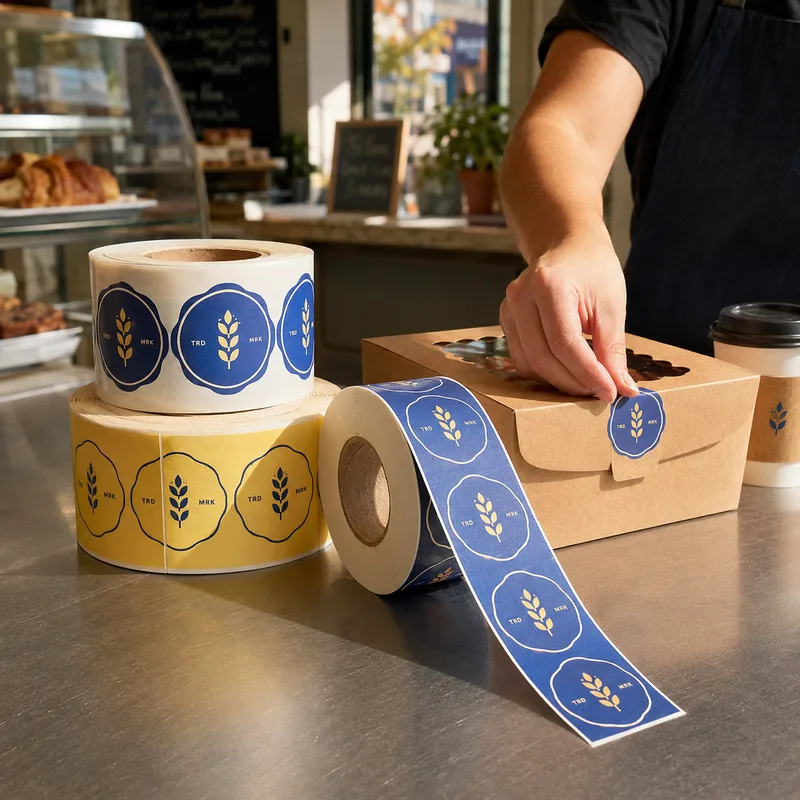
Sticker Roll
Continuous liner on a core, for dispensers and applicators.
From $0.10/unit
5 answers →Packaging Guides/Labels & Stickers
Packaging GuideWhy labels peel off chilled bottles, crease on pouches or vanish on dark glass, which format, material and adhesive suit your package, and how to set up rolls for an applicator. Each answer gives the cause first, then the label that solves it.
Which Label or Sticker Do You Need?Browse labels & stickers packaging →
Each answer below is linked to the product it applies to. Pick a product to see its answers, open its page for sizes and pricing, or compare the full labels & stickers packaging range.
Continuous liner on a core, for dispensers and applicators.
From $0.10/unit
5 answers →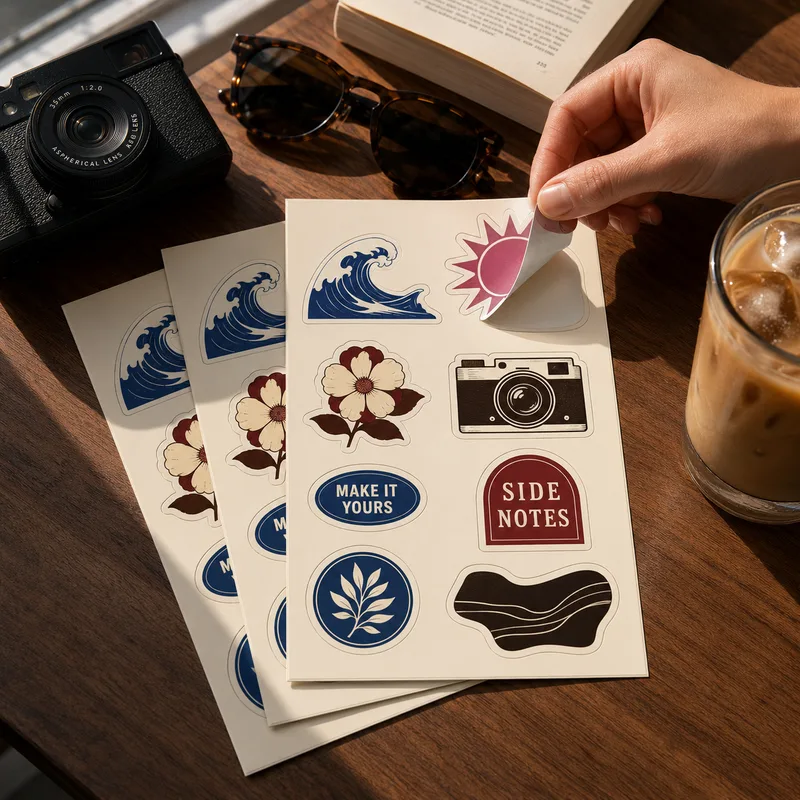
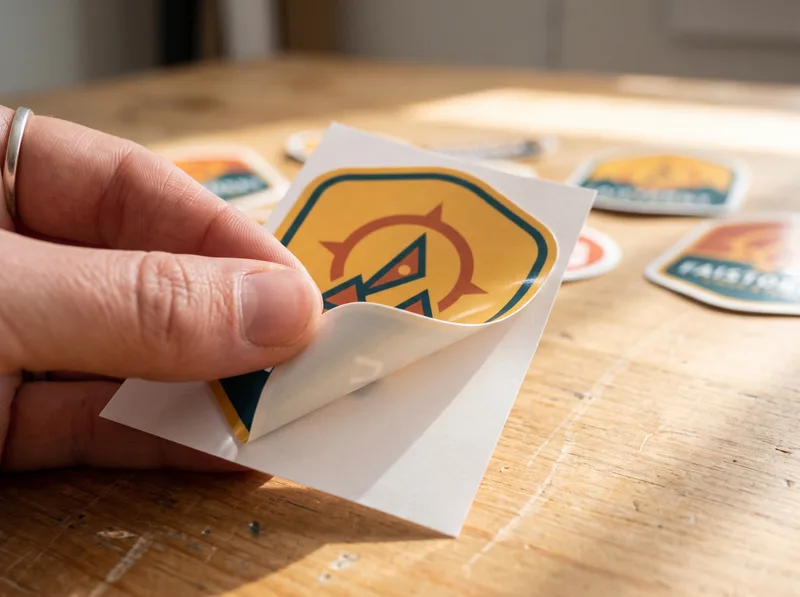

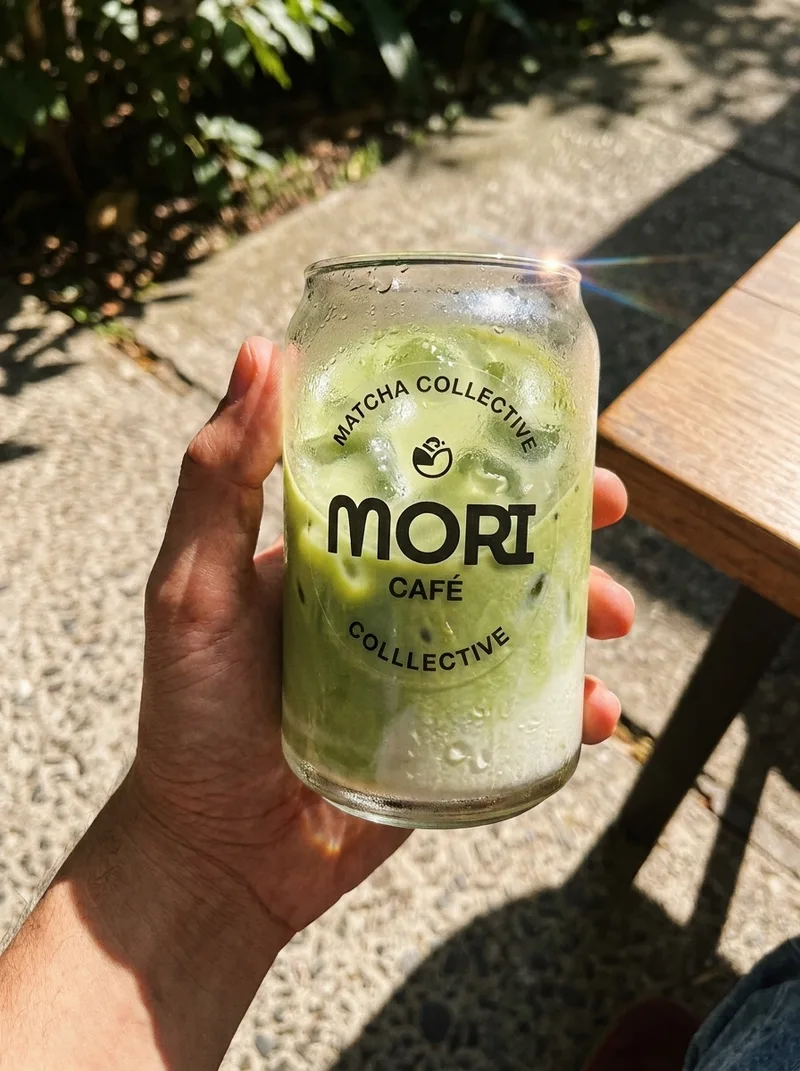
The container shows through; white underprint adds contrast.
From $0.10/unit
1 answers →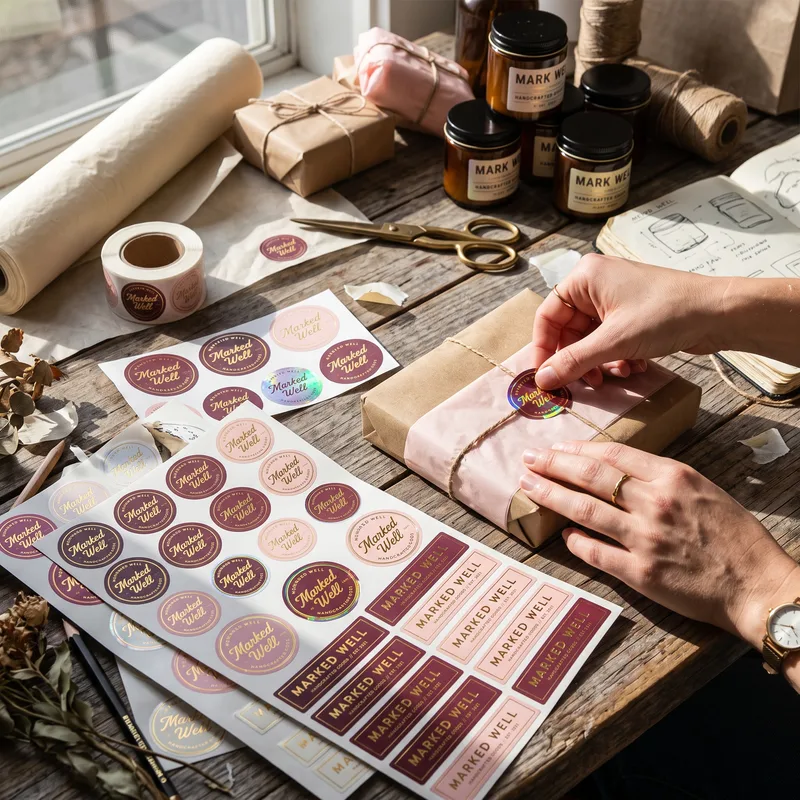
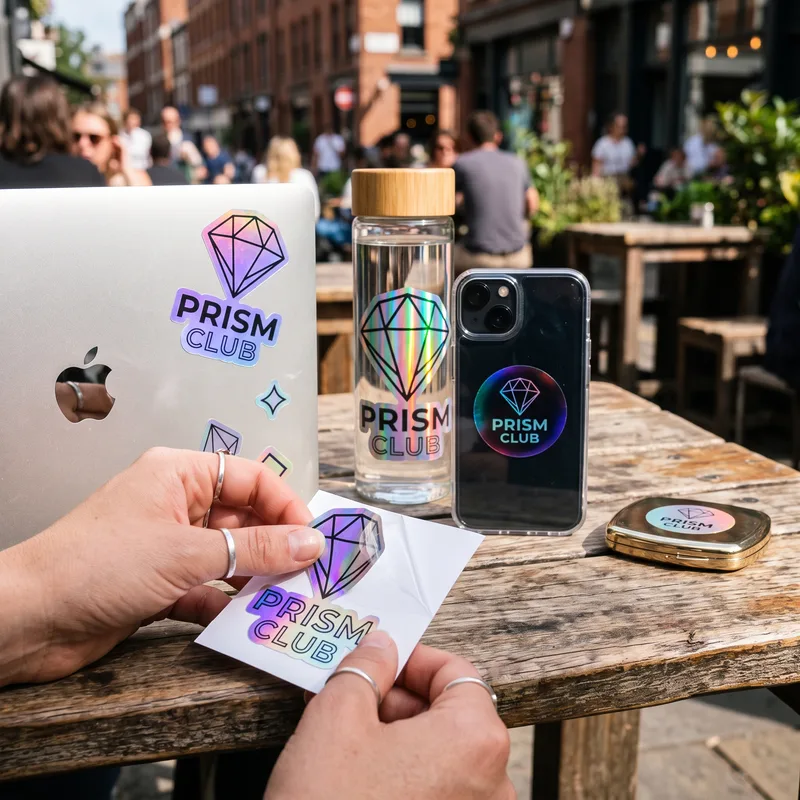
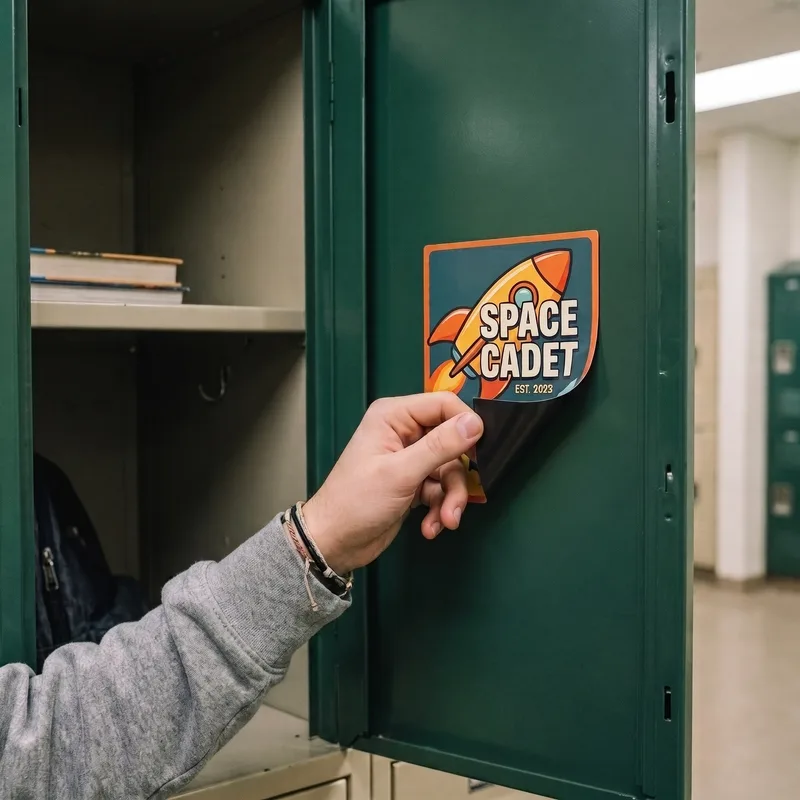
Rainbow surface that shifts with the viewing angle.
From $0.10/unit
2 answers →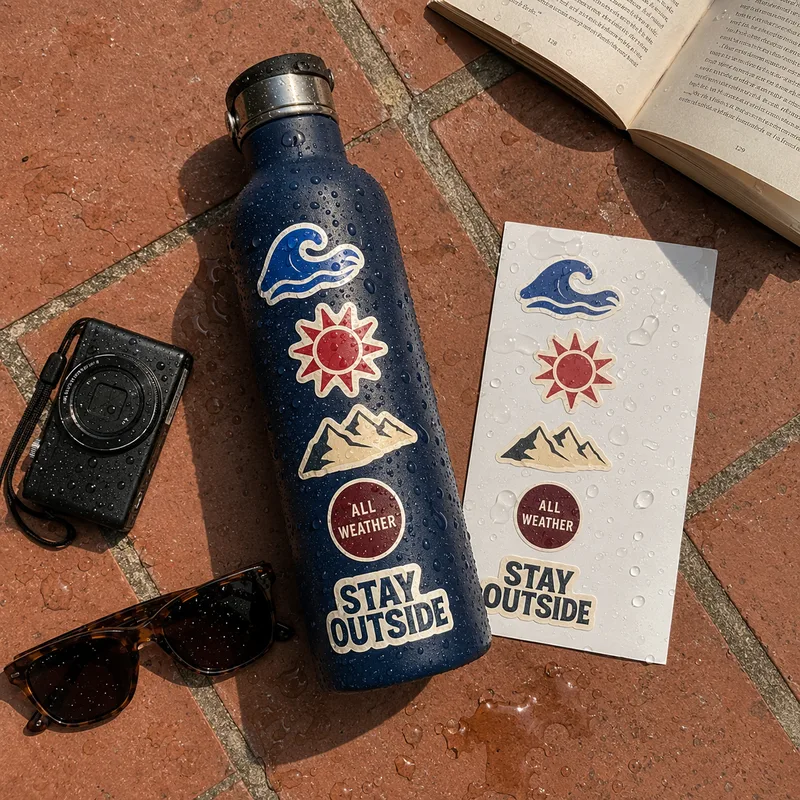
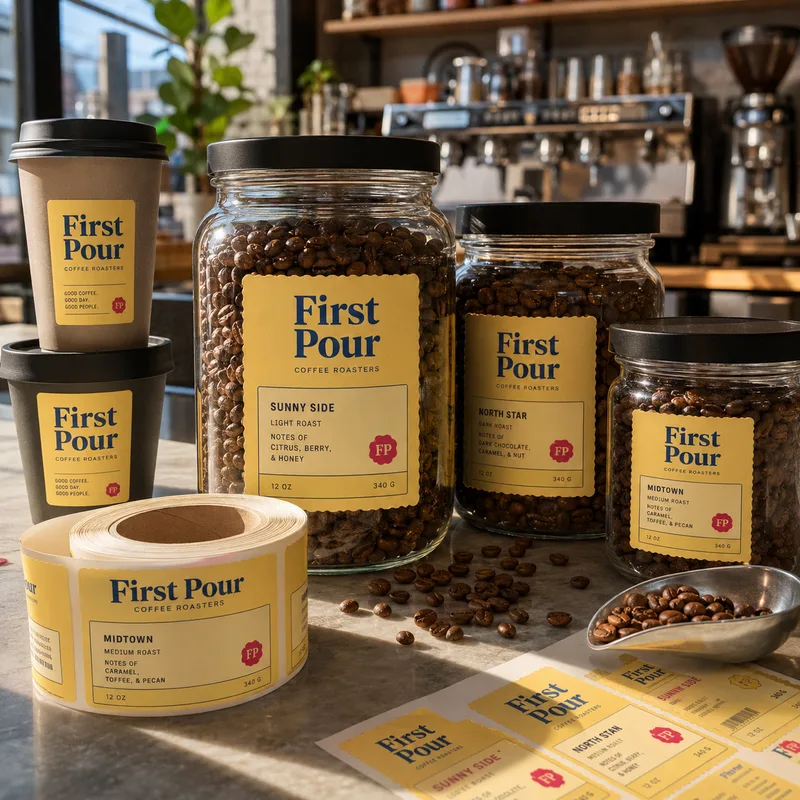
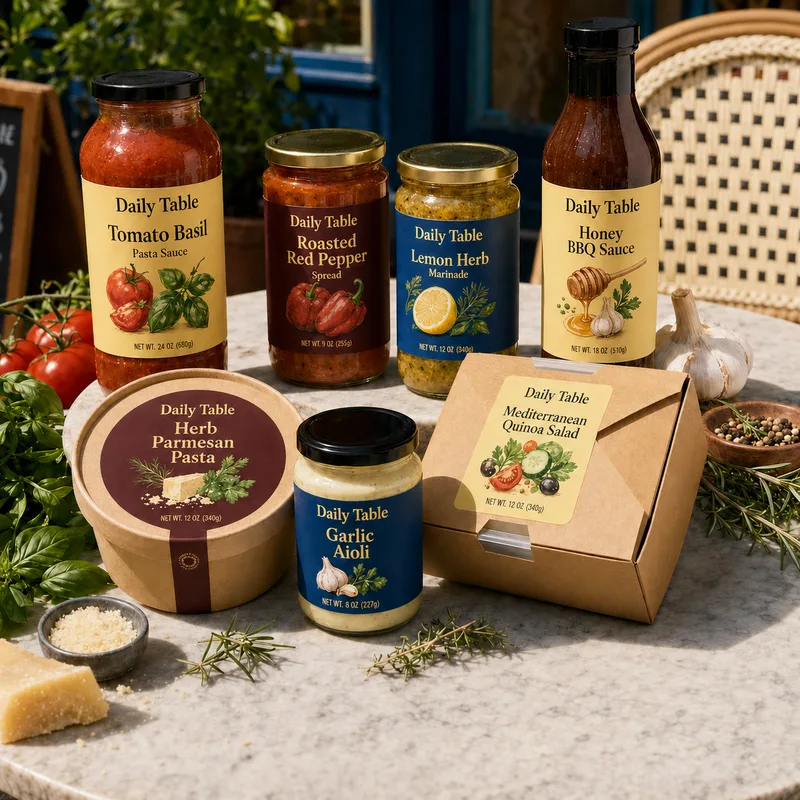
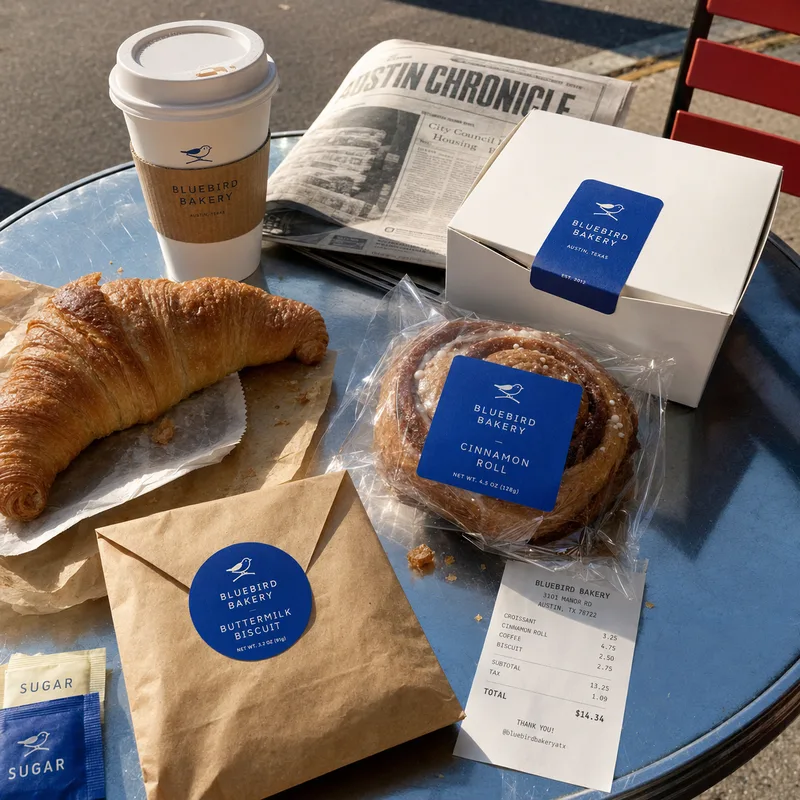
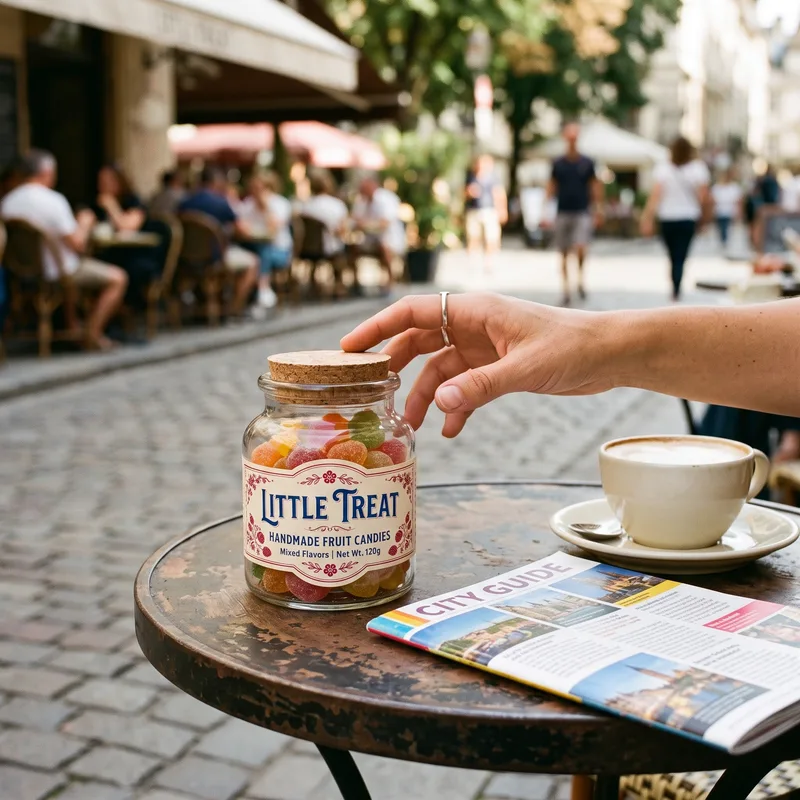
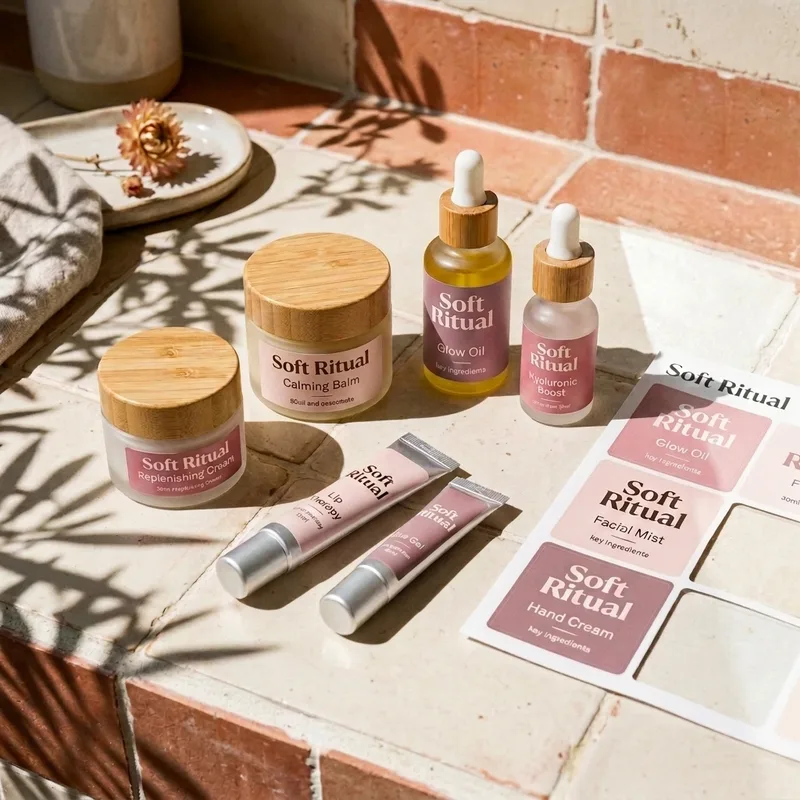
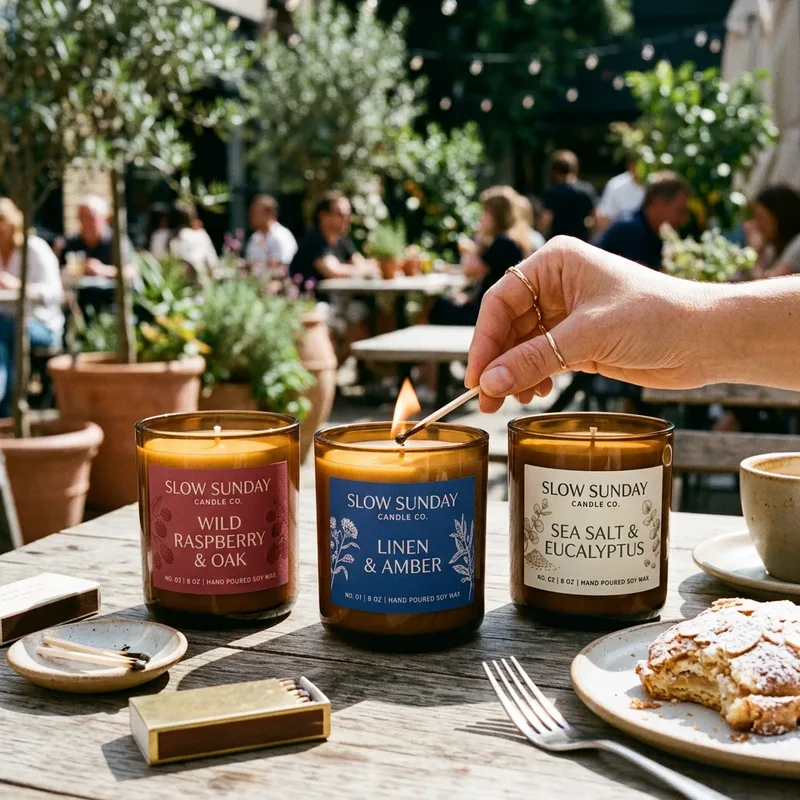
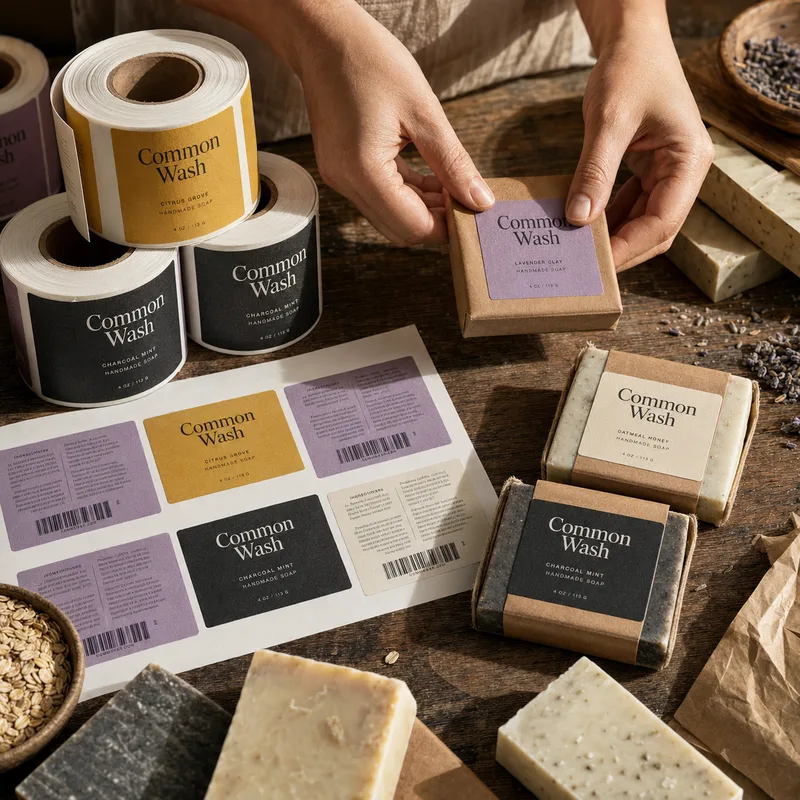

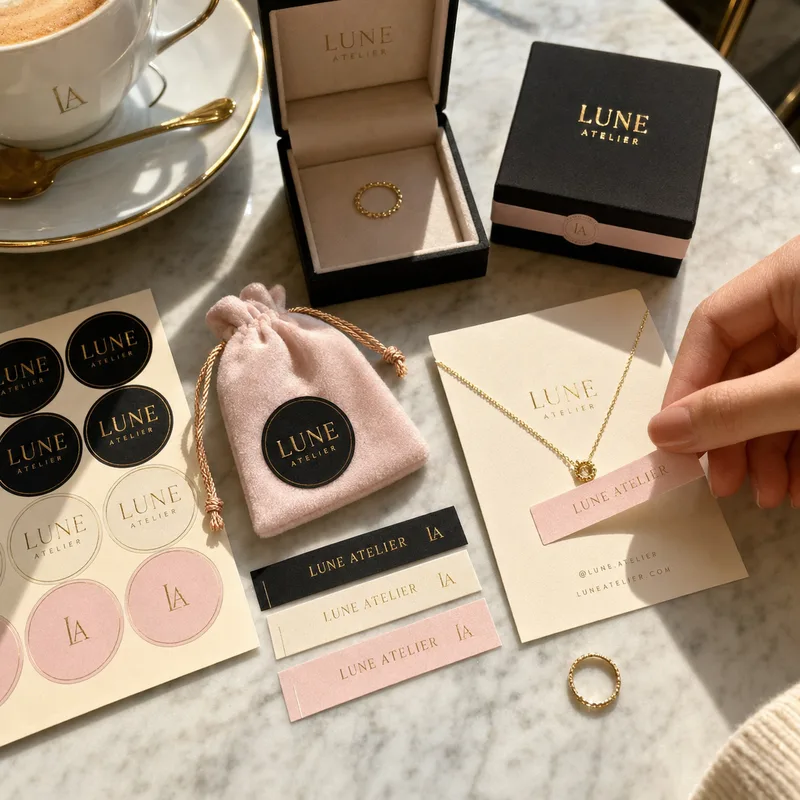
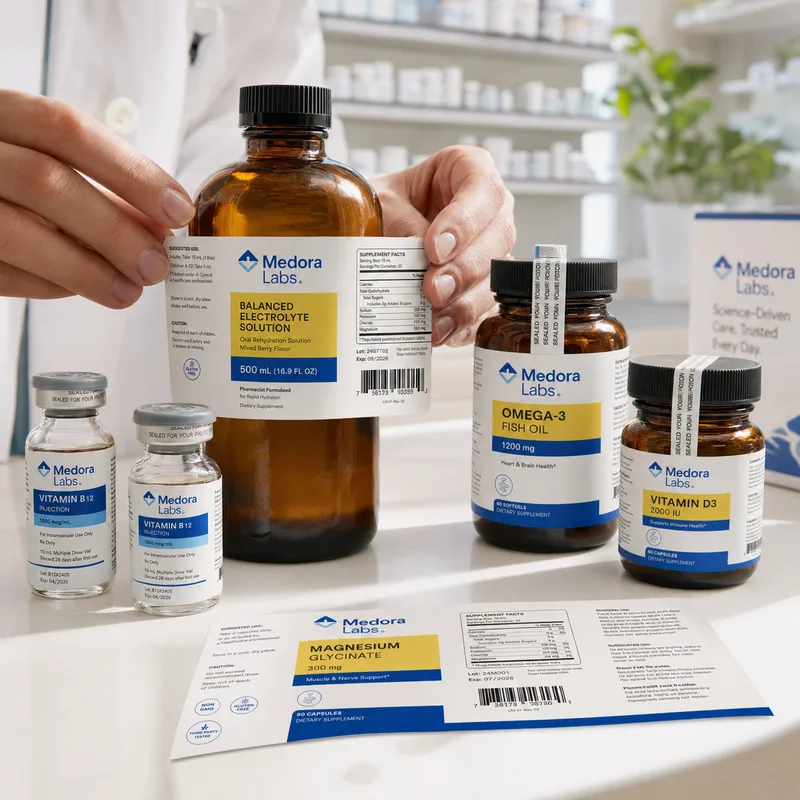
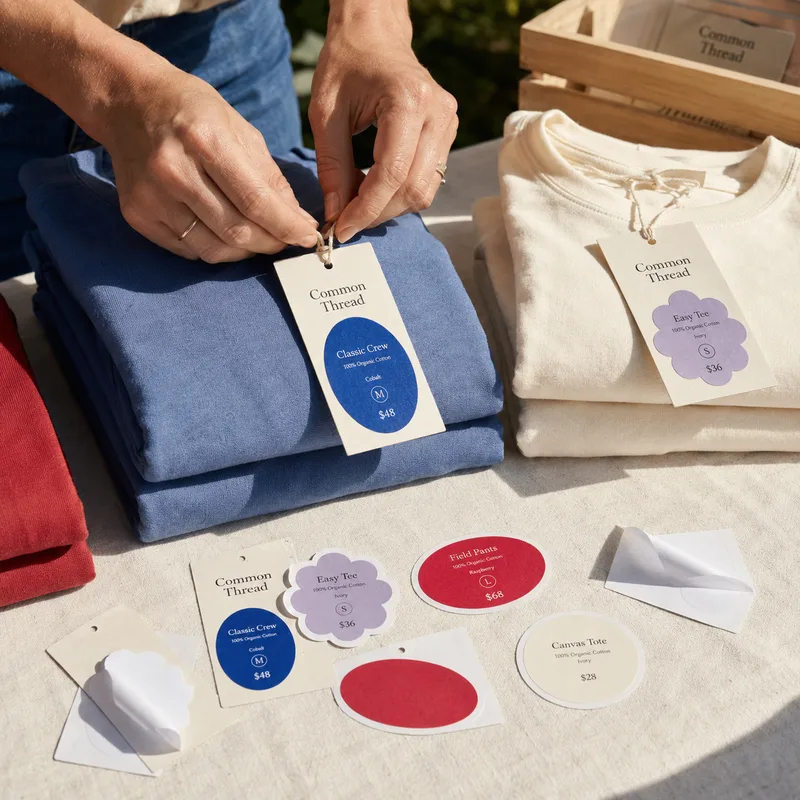
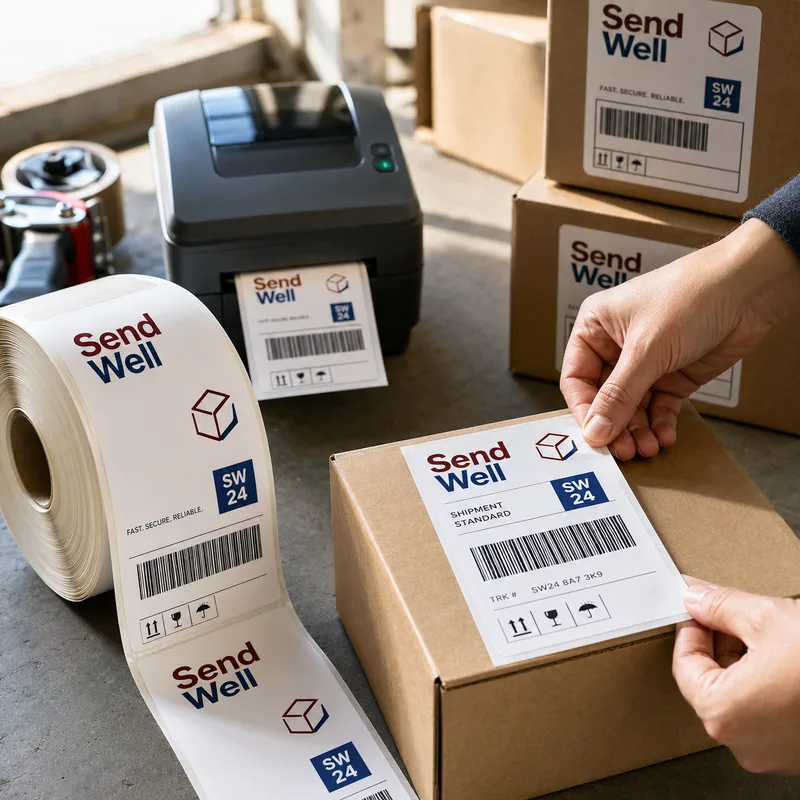
Set up for your printer; carrier data kept readable.
From $0.09/unit
2 answers →Both are printed pieces with an adhesive back on a liner. "Label" usually means product information applied to a bottle, jar, bag or box, often from a roll; "sticker" usually means branding, seals and giveaways applied by hand. The format, material and adhesive are chosen the same way.
Liner
The backing the label peels from.
Kiss-cut
Cut through the label but not the liner, so labels peel off a roll or sheet.
Die-cut
Cut to a custom shape.
Face stock
The printed material: paper, BOPP, PET, vinyl or specialty stock.
Open a problem to see why it happens and how to fix it.
Why it happensCondensation forms a film of water between a standard adhesive and the glass, so the adhesive can’t bond properly to the surface.
How to fix itUse film with a cold-temperature adhesive and test it on the filled, chilled container.
Why it happensPaper absorbs unless coated.
How to fix itUse BOPP or PET film with lamination for showers, serums and lotions.
Why it happensPaper can't flex with the pack.
How to fix itUse a flexible film.
Why it happensThe rainbow effect shows through text.
How to fix itAdd white ink under the text.
Why it happensClear film has no opaque base.
How to fix itAdd white underprinting where contrast is needed.
Why it happensLines are too thin to stamp cleanly.
How to fix itEnlarge the lines or print instead.
Why it happensPlacement didn't account for the valve.
How to fix itPlace the label clear of the valve.
Why it happensCore size or unwind direction doesn't match.
How to fix itSpecify core and unwind for the equipment.
Choose by how labels are applied. Rolls suit repeated labeling with a dispenser or applicator. Sheets suit sets and packs applied by hand. Individual stickers suit giveaways and order inserts. Static cling suits glass with no adhesive. Magnetic pieces suit metal surfaces.
| Roll | Sheets | Individual | Static Cling | Magnetic | |
|---|---|---|---|---|---|
| Delivery | Continuous roll | Several on one sheet | Separate pieces | Sheet or piece | Separate pieces |
| Attachment | Pressure-sensitive adhesive | Adhesive | Adhesive | Cling, no adhesive | Magnetic backing |
| Application | Dispenser or applicator | By hand | By hand | By hand, repositionable | By hand, repositionable |
| Mixed designs | Usually one per roll | On one sheet | Per piece | — | — |
Coated or kraft paper suits dry packaging, boxes and bags. BOPP or PET film suits bottles, jars and anything exposed to moisture. Vinyl suits curved surfaces, laptops and outdoor use when print, protection and adhesive are specified for it. Clear film shows the container through the label.
| Material | Typically suited to |
|---|---|
| Coated (SBS) or kraft paper | Dry packaging, boxes, bags, seals, indoor use |
| BOPP or PET film | Bottles, jars, moisture-exposed packaging |
| Vinyl / PVC | Curved surfaces, laptops, bottles, outdoor use when specified |
| Clear film | Labels that show the product or container through them |
| Metallic, holographic, pearlescent or textured paper | Collectible, promotional and decorative labels |
Choose permanent adhesive for labels that should stay on the product and removable adhesive for labels meant to come off cleanly. Then match it to the surface and conditions: cold and damp surfaces, coated board, pouch film, glass, plastic or metal, grease or refrigeration.
| Package | Material | Adhesive | Watch for |
|---|---|---|---|
| Glass jar (pantry) | Paper or film | Permanent | Wraparound fit |
| Chilled tub or bottle | Film | Cold-temperature | Condensation |
| Pouch | Film | For the pouch film | Flex and creasing |
| Bakery or deli box | Paper | For coated board | Grease |
Clear stickers almost disappear on smooth containers. Foil stickers add gold, silver or other metallic areas. Holographic stickers shift color with the angle. Waterproof stickers are specified for condensation, splash, outdoor or immersion. None is a security feature by default.
Cards (from $0.10):
| Exposure | Material | Print protection | Adhesive |
|---|---|---|---|
| Condensation | Film | Lamination | Cold, damp surfaces |
| Splash | Vinyl or film | Lamination | Permanent, surface-matched |
| Outdoor | Vinyl | Lamination or UV-resistant coating | Outdoor-rated |
| Immersion | Film | Lamination | Tested for immersion |
Product labels pair the right material, adhesive and panel layout for one kind of package: film for oily cosmetics, cold-temperature adhesive for chilled food, placement clear of a coffee valve, warning panels for candles. From $0.12 per unit; the brand supplies and approves the label content.
| Product | Label | Key point |
|---|---|---|
| Coffee bags, pouches, tins | Coffee Labels | Placed clear of the valve |
| Food and drink | Food Labels | Materials confirmed for food-packaging use |
| Bakery | Bakery Labels | Seals, flavor stickers, ingredient labels on boxes, bags, trays |
| Candy | Candy Labels | Clear, foil or paper on bags, jars, tins, boxes |
| Cosmetics | Cosmetic Labels | Film for oils and water; display and information panels |
| Candles | Candle Labels | Front and warning labels on glass, tin or ceramic |
| Soap and bath | Soap Labels | Boxes, wraps, jars and bottles |
| Perfume | Perfume Labels | Clear or foil labels on glass |
| Jewelry | Jewelry Labels | Logo seals and SKU or price labels |
| Pharma | Pharma Labels | Customer-approved directions, warnings, lot data |
| Retail hang tags | Hang Tag Stickers | Close, price, size or seal a tag |
Note: Industry guidance: Tea & Coffee · Food & Beverage · Cosmetics · Candle · Pharma.
Measure the flat label area on the filled package, or the wrap around a jar or bottle. Typical stickers run about 1–2 in (25–50 mm) for seals, 2–4 in for inserts and giveaways, and 3–4 in for laptops and bottles. Die-cut borders are commonly 1/16–1/8 in.
| Use | Typical reference |
|---|---|
| Product seals | About 1–2 in (25–50 mm) across |
| Order inserts and giveaways | About 2–4 in (50–100 mm) across |
| Laptops and bottles | About 3–4 in (75–100 mm), vinyl recommended |
| Cut border | About 1/16–1/8 in (2–3 mm) |
| Roll core | 1 in (25 mm) for hand dispensers, 3 in (76 mm) for many applicators |
| Gap between roll labels | About 1/8 in (3 mm) |
Note: Labels per roll are set by the maximum outer diameter your equipment takes.
By offset, digital, UV, screen or flexographic printing, in full-color CMYK, spot color, or white ink plus color. Protect with matte, gloss or soft-touch lamination or aqueous coating, and add foil stamping, emboss, deboss, Spot UV or raised 3D UV.
Send the size and shape, format (roll, sheet or individual), material, adhesive, the surface and conditions, and artwork. For rolls, add the core size and unwind direction. Quotes typically come back within 24 hours; orders dispatch 7 days after proof approval, plus shipping time, and orders start at 500 units.
Have these seven answers ready and your quote starts from the right specification. To compare every product side by side, see the labels and stickers range.
Each structure below has a free template generator: enter your size and download a PDF, SVG, DXF or PNG file with bleed and safe zone marked.
All structures in one place: dieline generator.
Packaging Dock prints custom labels and stickers to order from 500 units and ships across the USA and worldwide. These are the questions food, coffee, beauty and retail brands ask most. All labels are on the labels & stickers page.
No answers for this product in this topic.
Choose by how they're applied. Individual stickers are cut to shape and supplied each on its own backing, so they drop into orders or hand out one at a time. Roll stickers stay in sequence on one continuous liner, so a dispenser or applicator peels them off one after another at packing speed. See Individual Stickers and Sticker Roll; for several designs together, Sticker Sheets.
Not as an open-ended rating. Water resistance comes from three parts working together: a face stock such as vinyl or film that doesn't absorb water, print protection such as lamination, and an adhesive that holds on that surface. Each is specified for the exposure you name (condensation, splash, outdoor or immersion); a label specified for splash is not rated for immersion. See Waterproof Stickers.
Yes, in vinyl with lamination or UV-resistant coating and an outdoor-rated adhesive.
No adhesive is used, so there's no adhesive residue. Reverse-print clear film to read through glass from outside.
Commonly about 15–30 mil (0.38–0.76 mm): 15–20 mil for 2–4 in promo magnets, 20–30 mil for 4–8 in fixture pieces.
No. They're decorative, with no authentication or tamper evidence by default.
None by default; tamper evidence is a separate feature. Compliance is product- and market-specific.
The brand supplies and approves the product data and required labeling.
Labels suit many roasts, flavors or scents on one plain bag or box; printed packaging suits fixed SKUs. See Mylar bags.
It depends on the material and adhesive; check the specific stock. See Sustainable Packaging.
From $0.10 per unit for rolls, sheets, individual, cling, magnetic and specialty stickers.
See Campaigns packaging.
Yes, labels are part of the package. Product labels carry the brand and product information on a bottle, jar, bag or box; the brand supplies and approves the content.
Printed cling film that holds to clean, smooth surfaces such as glass by contact, with no adhesive. Reverse-print it on clear film to read through glass from outside.
Rolls suit repeated labeling by hand dispenser or applicator. For equipment, send the label size, core diameter, maximum roll diameter, unwind direction, gap and the surface; a pre-production sample tests adhesion and feeding.
Yes. Thermal labels are adhesive labels printed on a thermal printer: direct thermal darkens heat-sensitive stock; thermal transfer melts ribbon onto the label. For your own printer, the technology, stock, any ribbon and the feed are confirmed with sample labels.
A die-cut sticker follows your artwork’s outline; circles and rectangles are standard shapes cut the same way. Any shape works within cutting feasibility, and rounded corners help edges lie flat.
Usually a small one. The die line sets a bleed or border around the design to keep the shape clean, commonly about 1/16–1/8 in (2–3 mm); a kiss-cut keeps a small backing border too.
Die-cut stickers are cut through the backing to the sticker’s shape; kiss-cut stickers are cut through the sticker only, keeping the backing. Sheet stickers are kiss-cut on one flat liner so the set stays together and each sticker peels off by hand.
Roll labels are cut to shape on a continuous liner with a gap of about 1/8 in (3 mm), so they peel off in sequence. Individual die-cut stickers come as separate pieces.
A sticker peels from its liner and sticks in one piece. A decal or transfer sticker is moved onto the surface with transfer tape; transfer decals aren’t a listed format.
Vinyl resists water, but no sticker is waterproof automatically: the face stock, ink, lamination and adhesive all have to suit the exposure. Choose vinyl or film, add lamination, and an adhesive for the surface and conditions.
Performance is stated only for the specified exposure. A dishwasher combines immersion, heat and detergent, so the label would be specified for it and tested on samples.
For outdoor use, vinyl is protected with lamination or a UV-resistant coating. Lamination is chosen per order: matte, gloss or soft-touch.
Gloss lamination gives shine and stronger color; matte reduces glare for a quieter look. Both protect the print.
Lamination bonds a clear film over the print for scuff and moisture protection. Aqueous coating is a thin water-based layer with lighter protection.
Yes. Kraft paper is a label stock, and emboss and deboss are available as finishes.
White film gives solid, opaque graphics; clear film lets the container show around the design. On colored or dark packaging, the color shows through, so add white ink behind the artwork for opacity and check a printed sample on the container.
Yes, with print protection such as lamination; water resistance depends on the film, protection and adhesive.
Yes, with a writable area. Coffee labels, for example, can carry a writable roast-date area or variable print.
Removable adhesive is specified for labels meant to come off cleanly. Static cling and magnetic stickers use no adhesive, so they leave no adhesive residue and can often be repositioned.
The adhesive is matched to the surface and checked on a sample. Smooth, clean surfaces work best; textured surfaces usually don’t hold reliably.
Yes, with the adhesive matched and tested on the container. Pouches need a flexible film and an adhesive for the pouch film; for tapered jars, the label is cut to a curved shape.
Use film with an adhesive chosen and tested for cold, damp surfaces. A standard adhesive on a chilled bottle lets go with condensation.
They hold to compatible steel and iron. Aluminum isn’t magnetic and some stainless steels aren’t either, so test the actual surface.
The adhesive wasn’t matched to the surface or conditions: cold, damp, grease, a coated board or flexing film. Choose the adhesive for the surface and test on the filled package.
A flat label can’t follow a taper or tight curve, and paper can’t flex. Use a curved label shape for tapered jars and a flexible film on squeezable or curved packs.
Unprotected print scuffs, and moisture or sun wears it. Add lamination, or a UV-resistant coating outdoors.
Apply on a clean, dry surface, anchor one edge and smooth from the center out. For many labels, a roll on a dispenser or applicator keeps placement consistent.
Keep them in their packaging, cool, dry and out of direct sun, and apply to clean surfaces.
The face stock is printed by offset, digital, UV, screen or flexographic printing, protected, then cut on a die line. Digital suits shorter runs and variable artwork; plate-based processes suit longer runs.
Each order gets a die line for the label shape with free design support, and a proof before production. Lead with the brand and the variant name, and keep required information legible.
The quote form accepts PDF, JPG, PNG, WEBP, TIFF, AI, EPS and PSD files, up to 3 files at 8 MB each. The die line provided marks the bleed and cut.
Sheets can carry a different design and shape per sticker. Rolls usually carry one design, or several printed in sequence where the job is set up for it. Lot, expiry and barcodes print where the workflow supports variable data.
Any practical size works; common references are about 4 × 6 in, 5 × 7 in and 8.5 × 11 in. Each sticker can have its own shape, and the border can carry branding.
Rolls are made to your label size, with a core of 1 in for hand dispensers or 3 in for many applicators, confirmed against your equipment.
Quantity: setup is spread across more labels. A standard shape and fewer finishes also keep the price down.
500 units, dispatched 7 days after proof approval and rush on request. US shipping typically takes 3–7 business days after dispatch.
Yes. Complimentary sample kits ship within two business days, with shipping paid by the customer, and samples can be tested in your conditions.
Packaging Dock prints custom labels and stickers from 500 units, priced by quantity and shipped across the USA and worldwide.
Yes, as food and drink labels on glass, with the adhesive matched and tested on the bottle and a cold, damp adhesive for chilled bottles. The brand supplies the required copy.
Yes: thank-you stickers, tissue and flap seals, and packing labels, on rolls, sheets or as singles.
Yes: seasonal greetings and seals, and party labels with event names and dates.
That is a regulated claim, and we can’t advise on it. The brand is responsible for label claims; check the USDA organic rules.
A label sticks to one panel; a sleeve wraps the whole box and slides off. See Custom Sleeves.
They can, depending on the face stock, adhesive and inks. Recyclable labels are chosen with the container, and a recyclability claim is made only when the label, container and disposal route support it.
It depends on the label material and adhesive and on local facilities; check the specific stock.
Ready to put it together?
Answer a few questions and get a packaging setup with the reason for every choice, or browse every labels & stickers product.