Overview & Specifications
What Is a 3 Side Seal Pouch?
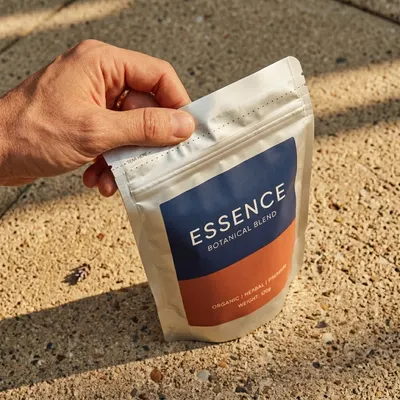
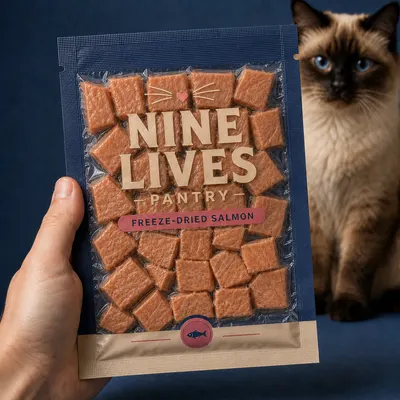
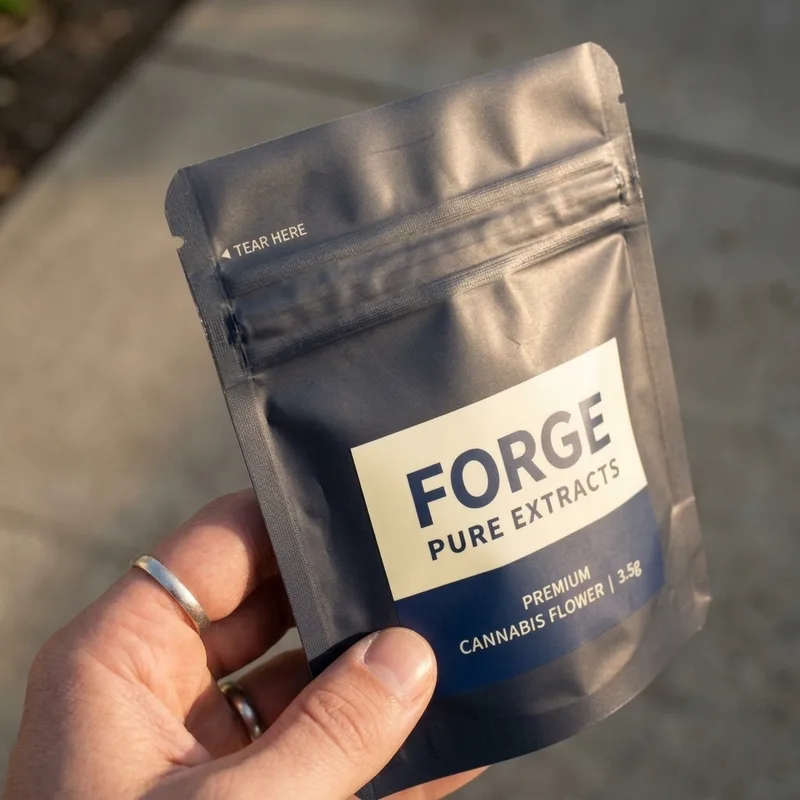
A 3 side seal pouch is a flat flexible package supplied with three edges sealed and one side left open for filling. After the product is packed, the remaining opening is heat sealed to complete the package. It has no gusset, so it lies flat when empty and fills into a slim, pillow-like profile rather than standing on shelf.
How a 3 Side Seal Pouch Is Formed
The pouch is defined by its perimeter seals rather than by a gusset or base.
01
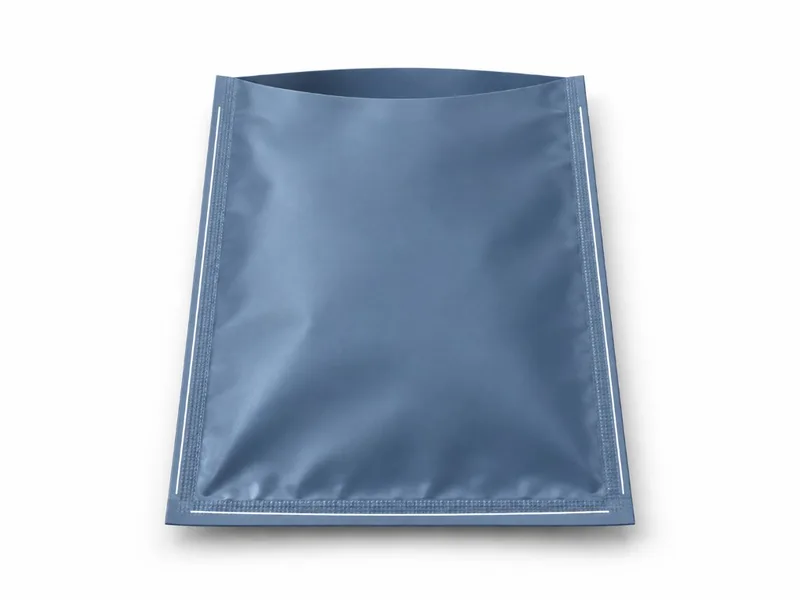
Three Sealed Edges
Two side seals and one end seal are formed before the pouch is supplied, leaving one edge open for filling.
02
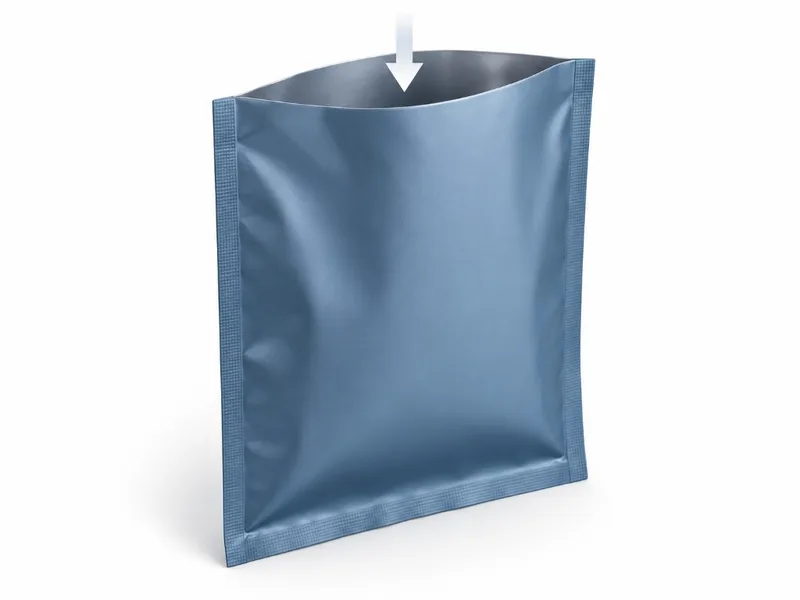
One Filling Opening
Product is filled through the open edge, then that edge is heat sealed shut. Which edge stays open is planned around the product and packing process.
03
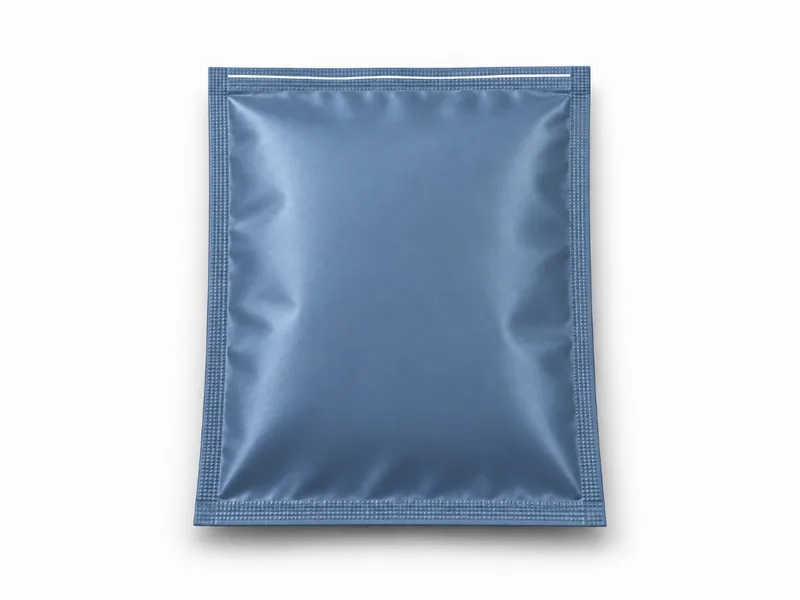
Final Heat Seal
After filling, the last open edge is sealed. Seal width, cleanliness and product clearance at that edge affect the usable internal area and the integrity of the finished pack.
04
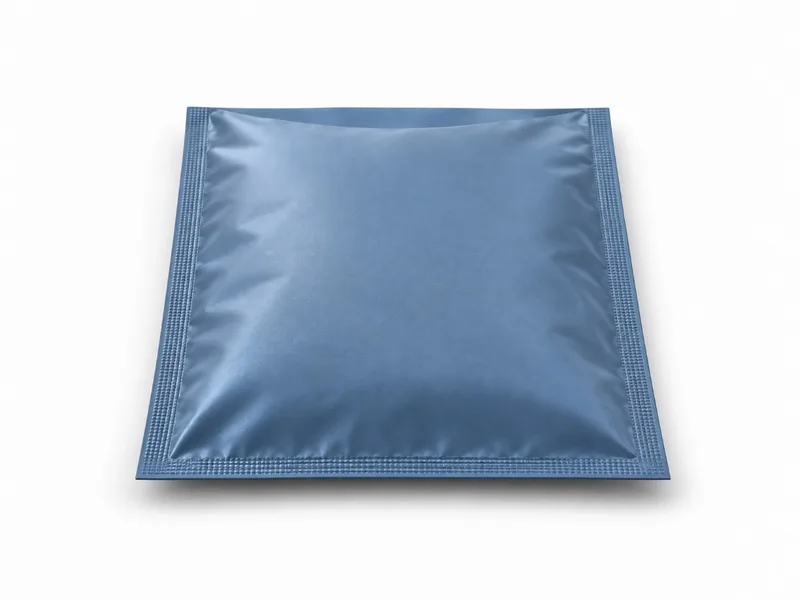
Flat Profile When Filled
Without a gusset, the filled pouch takes a slim, pillow-like shape. Its capacity comes from how far the two faces can separate, which depends on width, height, seal width and the product itself.
Anatomy of a 3 Side Seal Pouch
A 3 side seal pouch has two printable faces framed by perimeter seals.
-
01
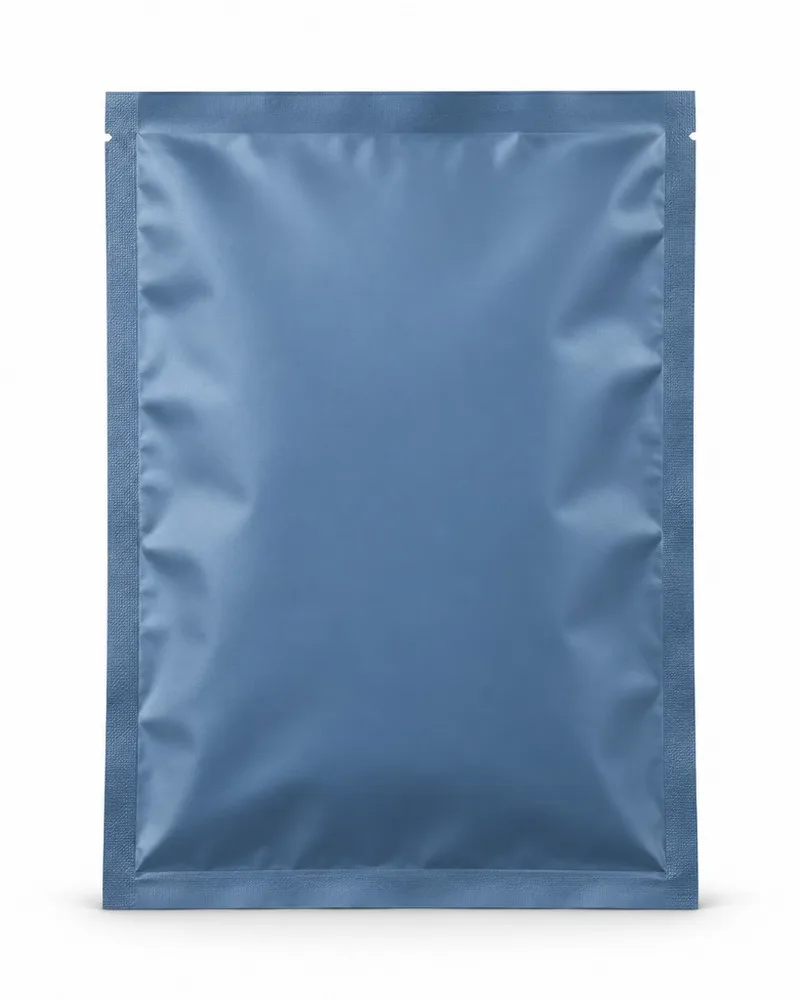
Front Panel
Primary branding, product name and front-facing communication.
-
02
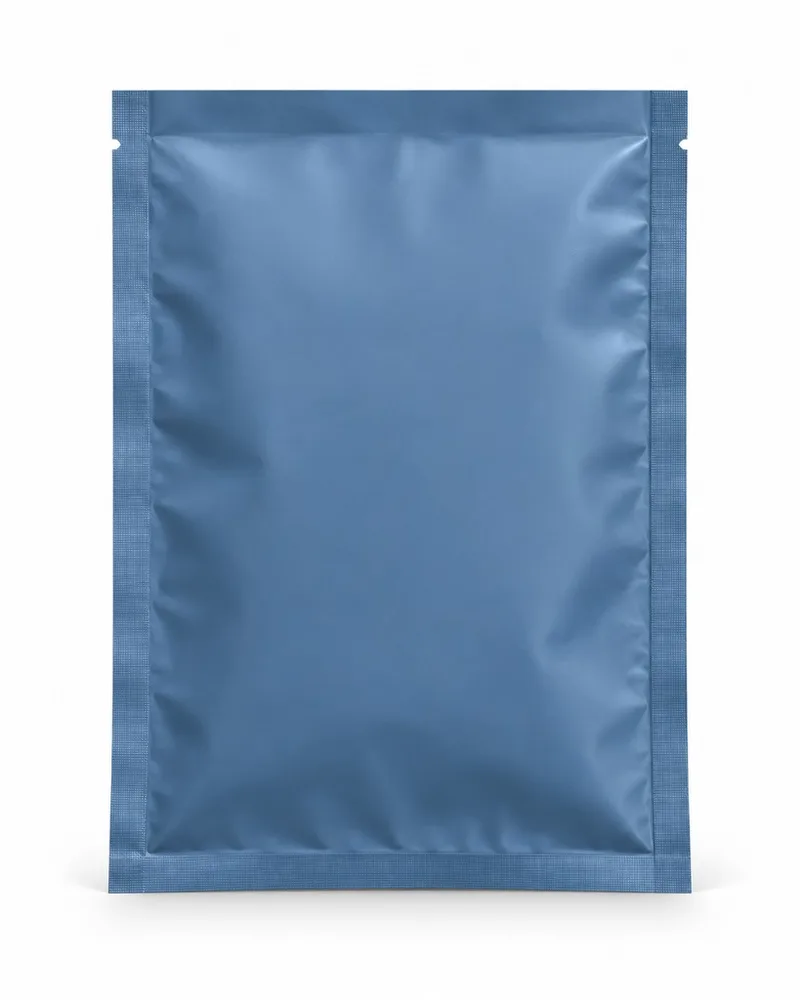
Back Panel
Ingredients, directions, barcode and regulatory information, with no center seam running through the artwork.
-
03
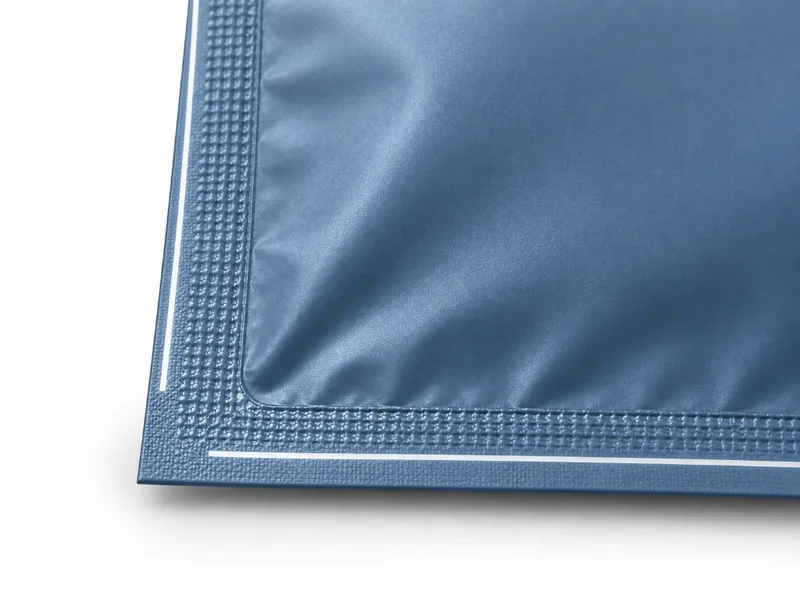
Side and End Seals
The sealed perimeter that forms the pouch; typically 5–10 mm per side.
-
04
Filling Edge
The open edge used for filling, then closed with the final heat seal; zipper, tear notch or hang hole sit near this zone where specified.
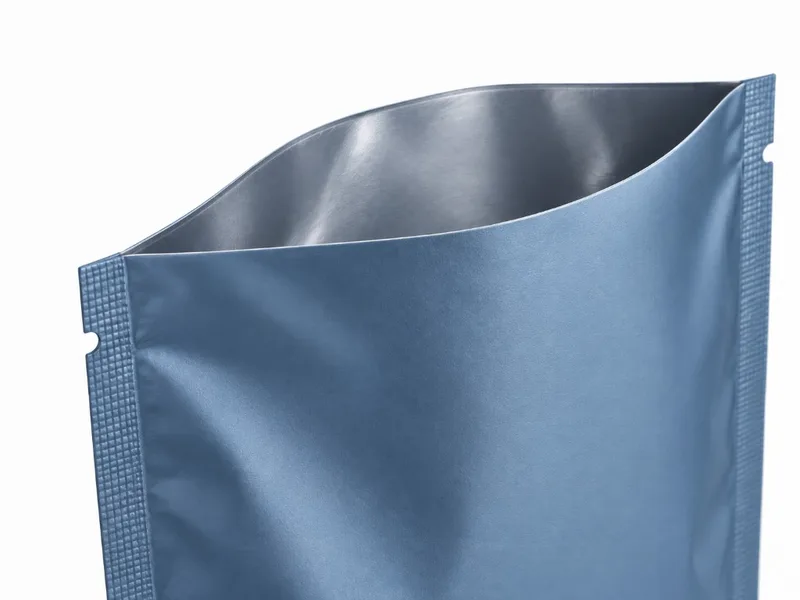
Keep important copy, logos and barcodes inside the seal frame, clear of the perimeter seals, the filling edge and any zipper or tear notch.
Application guide
When Is a 3 Side Seal Pouch the Right Choice?
A 3 side seal pouch works well when a product needs a flat, compact package sized closely around the contents, such as samples, single-serve portions, spices, sachets and lightweight goods.
-
01
Format
Compact Flat Format
The pouch lies flat empty and stays slim when filled, so it fits inside cartons, mailers, subscription boxes and retail displays without the depth of a gusseted pouch. -
02
Branding
Clean Two-Panel Presentation
Front and back panels carry branding and product information without the longitudinal center seam found on a Back Seal Bag, keeping both faces clear for artwork. -
03
Build
Simple Non-Gusseted Construction
Its simpler non-gusseted construction suits samples, trial sizes and high-count portion packs. Final pricing depends on the selected specifications. -
04
Alternative
When Another Format May Fit Better
If the product needs to stand upright on shelf, a Stand Up Pouch is the closer fit. For larger fills that need a box-like footprint and five printable panels, choose a Flat Bottom Bag. A Back Seal Bag may fit better for a rear-seamed pillow pack produced on compatible form-fill-seal equipment.
3 Side Seal Pouch Specifications
Custom 3 side seal pouches are produced to custom width and height, with seal width, film structure, barrier level, features, printing and finishes configured around the product and filling method.
| Specification | Available Configuration |
|---|---|
| Product Type | 3 Side Seal Pouch |
| Category | Mylar Bags |
| Custom Dimensions | Custom W × H |
| Seal Configuration | Three perimeter seals with one filling opening before final sealing |
| Typical Seal Width | Around 5–10 mm per side, set by size and sealing method |
| Reference Fill Range | Single-serve sachets to about 1 kg, product-density dependent, with custom sizing |
| Panel Configuration | Front and back |
| Materials | PET film, clear PET film, metallized PET film, holographic PET film, kraft paper laminate and project-specific laminate structures |
| Laminate Thickness | Typical custom range 50–120 μm total, selected around fill weight, barrier and handling |
| Closures | Ziplock, hook-and-loop zipper and child-resistant closure options where compatible |
| Functional Features | Tear notch, hang hole and clear window where compatible |
| Print Methods | Digital, flexographic and rotogravure |
| Print Coverage | Front only, or front and back |
| Print Colors | Full-color CMYK and Pantone spot colors |
| Coating / Lamination | Gloss, matte and soft-touch; interior aluminum foil where required |
| Finishes | Foil stamping, Spot UV and Raised 3D UV |
| Food-Contact Documentation | Applicable testing and documentation can be arranged per order for the selected construction and destination market |
| Starting Price | From $0.55 / unit; final price depends on size, material, printing, features, finishes and quantity |
| Minimum Order | 500 units |
| Standard Production | 7 days from approved proof after final specification |
| Rush Production | Available on request |
| Shipping | USA and worldwide |
How 3 Side Seal Pouches Compare to Other Pouch Formats
The flat formats and the gusseted formats separate mainly on whether the pouch stands, how much depth it has and how it is filled.
| Attribute | 3 Side Seal Pouch | Back Seal Bag | Stand Up Pouch | Flat Bottom Bag |
|---|---|---|---|---|
| Base structure | No gusset; three perimeter seals | Longitudinal rear seam with top and bottom seals | Folding bottom gusset | Distinct flat base + two side gussets |
| Printable surfaces | 2 clean faces | Front and back; rear seam interrupts the back | 2 primary faces + gusset area | 5 defined panels |
| Filled presentation | Slim, flat profile | Typically pillow-style | Upright, flexible profile | Structured, box-like footprint |
| Self-standing | Typically no | Typically no | Yes, when correctly sized and filled | Yes, when correctly sized and filled |
| How it is filled | Premade, filled through the open edge | Often formed and filled on form-fill-seal equipment | Premade, filled through the top | Premade, filled through the top |
| Main sizing variables | Width, height, seal width | Finished dimensions plus machine and web requirements | Width, height, bottom gusset | Width, height, side gussets and base |
| Best fit | Samples, portions and compact packs | High-volume pillow packs on compatible lines | Versatile upright retail packaging | Defined shelf footprint and five-panel presentation |
What Size 3 Side Seal Pouch Do You Need?
Size a 3 side seal pouch by the product's volume and the usable area inside the seals, not by the outside dimensions alone. Because a flat pouch has no gusset, capacity depends on how far the two faces can open around the product, so the same outside size holds noticeably different weights of a dense powder and a bulky snack.
Common 3 Side Seal Pouch Sizes and Approximate Capacity
These are reference starting points, listed as outside width × height. The fillable area is always smaller than the outside size because of the perimeter seals and any zipper or hang hole.
| Reference Size | Approx. Fill Volume | Approx. Dry Fill | Typical Uses |
|---|---|---|---|
| 3 × 4 in | ~15–30 ml | ~10–20 g | Spice samples, single-use portions, pill packs |
| 4 × 6 in | ~60–90 ml | ~28–50 g (about 1–2 oz) | Snack samples, face masks, jerky samples |
| 5 × 8 in | ~230–300 ml | ~100–150 g | Jerky, dried fruit, loose-leaf tea, candy |
| 6 × 9 in | ~350–475 ml | ~250–300 g | Ground coffee samples, pet treats, baking mixes |
| 8 × 12 in | ~950 ml | ~500 g–1 kg | Larger flat packs, density dependent |
Important: These capacities are reference values, not guaranteed fills. Product density, particle size, settling, seal width, closure features and required headspace all change the final capacity. A trial fill should be completed before the production dieline is approved.
If your product is not listed, share the product and target fill weight or volume with the quote request so the pouch can be sized around it.
Why Does Seal Width Change Capacity?
Every millimeter of seal around the edge is space the product cannot use. On a small sachet, seals of 5–10 mm per side take a large share of the outside size, so two pouches with the same outside dimensions can hold different amounts depending on seal width and features. This is why small 3 side seal pouches are sized from the usable inside area, not from the outside measurement. Product shape matters too: a thin wipe, a dense powder and a chunky snack occupy very different shapes at the same weight.